
Serengeti National Park: The Ultimate Safari Destination in Tanzania
Serengeti National Park is one of the world’s most famous wildlife destinations and the crown jewel of Tanzania’s Northern Safari Circuit. Renowned for its endless golden plains, extraordinary wildlife, and the world-famous Great Wildebeest Migration, the park attracts hundreds of thousands of visitors every year seeking an unforgettable African safari experience.
Covering approximately 14,750 square kilometers (5,700 square miles), Serengeti National Park is home to one of the largest concentrations of wildlife on Earth. Visitors can witness the legendary Big Five—lion, leopard, elephant, buffalo, and black rhinoceros—along with cheetahs, giraffes, zebras, hippos, crocodiles, hyenas, and more than 500 species of birds.
Whether you’re planning your first safari, a luxury honeymoon, a family holiday, or a wildlife photography expedition, Serengeti National Park offers breathtaking landscapes and remarkable wildlife encounters throughout the year.
At Tanzania Crown Safaris, we create expertly guided safari experiences that showcase the very best of Serengeti National Park, ensuring every guest enjoys an authentic, comfortable, and unforgettable adventure.
Why Visit Serengeti National Park?
There are many reasons why Serengeti National Park is consistently ranked among the best safari destinations in the world. Its incredible biodiversity, spectacular scenery, and year-round wildlife viewing make it a dream destination for travelers from every corner of the globe.
Some of the highlights of visiting Serengeti National Park include:
- Witnessing the Great Wildebeest Migration
- Seeing the Big Five in their natural habitat
- Enjoying world-class game drives
- Taking a sunrise hot air balloon safari
- Staying in luxury safari lodges and tented camps
- Experiencing unforgettable African sunsets
- Photographing breathtaking wildlife and landscapes
- Exploring one of Africa’s oldest ecosystems
Every safari in the Serengeti offers a unique experience, as wildlife movements and natural events change throughout the year.
History of Serengeti National Park
The history of Serengeti National Park is closely linked to wildlife conservation in East Africa.
The name “Serengeti” comes from the Maasai word “Siringet,” meaning “endless plains.” This perfectly describes the vast open grasslands that stretch across much of the park.
Serengeti National Park was officially established in 1951, making it Tanzania’s oldest national park. It was created to protect one of the world’s most important wildlife ecosystems and the annual Great Wildebeest Migration.
Today, the park forms part of the larger Serengeti Ecosystem, which includes protected areas such as the Ngorongoro Conservation Area, Maswa Game Reserve, Grumeti Game Reserve, Ikorongo Game Reserve, and Kenya’s Maasai Mara National Reserve.
In 1981, Serengeti National Park was designated a UNESCO World Heritage Site due to its outstanding ecological importance, exceptional biodiversity, and globally significant wildlife populations.
Where Is Serengeti National Park Located?
Serengeti National Park is located in northern Tanzania, bordering Kenya’s Maasai Mara National Reserve.
The park lies approximately:
- 335 km from Arusha
- 325 km from Kilimanjaro International Airport
- Adjacent to the Ngorongoro Conservation Area
- West of Lake Victoria
- South of Kenya’s Maasai Mara
Most visitors access the park by road from Arusha or by scheduled domestic flights to one of the Serengeti’s airstrips.
Its location makes it easy to combine with other iconic destinations, including:
- Ngorongoro Crater
- Tarangire National Park
- Lake Manyara National Park
- Arusha National Park
- Mount Kilimanjaro
- Zanzibar
Size and Landscape of Serengeti National Park
One of the defining features of Serengeti National Park is its extraordinary variety of landscapes.
Covering approximately 14,750 square kilometers, the park consists of:
- Endless open grasslands
- Acacia woodlands
- Rocky kopjes
- River systems
- Seasonal wetlands
- Savannah plains
- Forested areas
Each habitat supports different wildlife species, creating remarkable biodiversity throughout the park.
The Serengeti’s iconic kopjes—large granite rock outcrops—provide resting places for lions, leopards, and cheetahs while offering spectacular viewpoints across the plains.
Wildlife in Serengeti National Park
The incredible diversity of wildlife is what makes Serengeti National Park one of Africa’s greatest safari destinations.
The park supports more than:
- 2 million wildebeest
- 300,000 zebras
- Hundreds of thousands of gazelles
- Over 4,000 lions
- Around 1,000 leopards
- Hundreds of cheetahs
- Thousands of elephants
- More than 500 bird species
Visitors often enjoy excellent wildlife viewing throughout the year, regardless of the migration season.
Some of the most commonly seen animals include:
- Lions
- Leopards
- Cheetahs
- African elephants
- Cape buffaloes
- Black rhinoceroses
- Giraffes
- Zebras
- Wildebeest
- Hippos
- Nile crocodiles
- Hyenas
- Jackals
- Warthogs
- Topi
- Elands
- Impalas
- Grant’s gazelles
- Thomson’s gazelles
Every game drive offers exciting opportunities to observe wildlife behaving naturally in one of Africa’s most pristine ecosystems.
The Big Five in Serengeti National Park
One of the biggest attractions of Serengeti National Park is the opportunity to see the famous Big Five.
The Big Five include:
Lion
The Serengeti is home to one of the largest lion populations in Africa. Visitors frequently observe lion prides resting beneath acacia trees, hunting on the plains, or caring for young cubs.
Leopard
Leopards are more elusive but are regularly spotted resting in trees, particularly in the Seronera Valley.
African Elephant
Large elephant herds roam the woodlands and river valleys, providing unforgettable viewing opportunities.
Cape Buffalo
Buffaloes are commonly seen grazing in large herds across the Serengeti.
Black Rhinoceros
Although rare, black rhinos can occasionally be seen in protected areas of the Serengeti, while nearby Ngorongoro Crater offers even better chances of spotting this endangered species.
Seeing all of the Big Five during your safari is a memorable achievement for many visitors.
The Great Wildebeest Migration
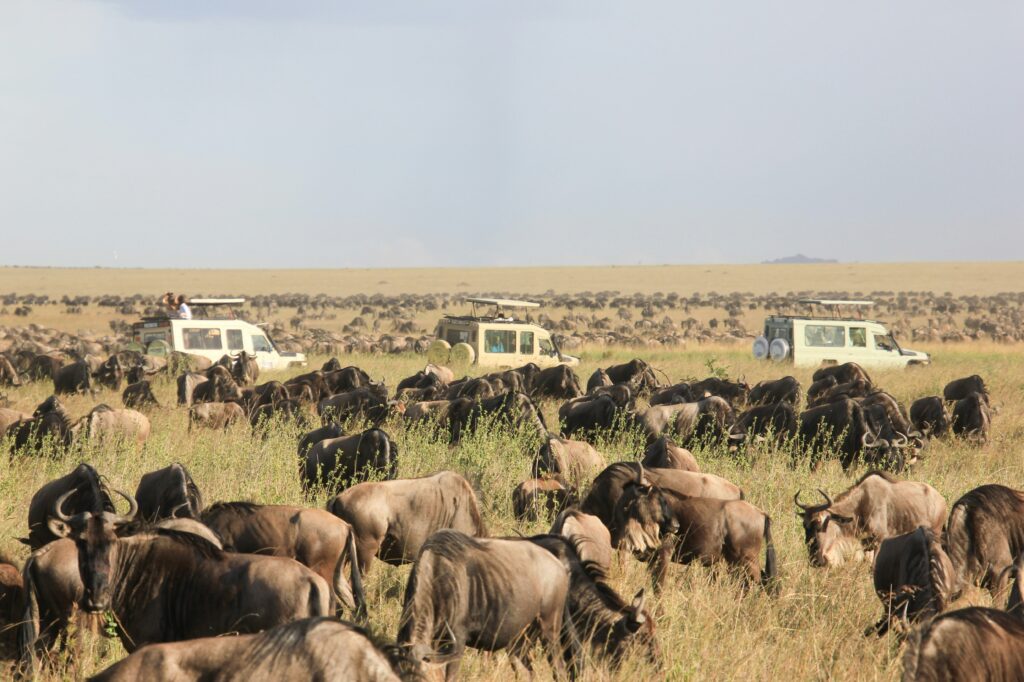
The Great Wildebeest Migration is the defining feature of Serengeti National Park and one of the greatest natural spectacles on Earth.
Each year, more than:
- 1.5 million wildebeest
- 300,000 zebras
- 500,000 gazelles
move across the Serengeti ecosystem in search of fresh grazing and water.
The migration is a continuous journey rather than a single event.
Throughout the year, visitors may witness:
- Calving season in Southern Serengeti
- Massive grazing herds
- Grumeti River crossings
- Mara River crossings
- Predator-prey interactions
- Thousands of animals moving across the plains
This incredible wildlife event attracts photographers, filmmakers, conservationists, and safari enthusiasts from around the world.
Why Serengeti National Park Should Be on Your Travel Bucket List
Few destinations on Earth offer the combination of wildlife, scenery, adventure, and natural beauty found in Serengeti National Park.
From the legendary Great Wildebeest Migration and the Big Five to spectacular sunsets and luxury safari experiences, every visit creates memories that last a lifetime.
At Tanzania Crown Safaris, our experienced guides, carefully designed itineraries, and personalized service ensure you experience the very best that Serengeti National Park has to offer.
Whether you’re planning a luxury safari, a family adventure, a honeymoon, or a photography expedition, we look forward to helping you discover the magic of Tanzania’s most iconic national park.
Best Time to Visit Serengeti National Park
One of the greatest advantages of visiting Serengeti National Park is that it offers exceptional wildlife viewing throughout the year. Every season provides unique experiences, from the dramatic Great Wildebeest Migration and predator action to beautiful green landscapes and outstanding birdwatching.
The best time to visit Serengeti National Park depends on the type of safari you are looking for.
Serengeti National Park from January to March
From January to March, the southern plains of Serengeti National Park and the nearby Ndutu area become the center of the Great Wildebeest Migration.
This period is famous for the calving season, when approximately 500,000 wildebeest calves are born within a few weeks.
During these months, visitors can enjoy:
- Thousands of newborn wildebeest
- Excellent predator sightings
- Lions hunting on the plains
- Cheetahs chasing gazelles
- Hyenas and jackals
- Beautiful green landscapes
- Outstanding wildlife photography
For photographers and wildlife lovers, this is one of the most exciting times to visit.
Serengeti National Park from April to May
April and May are considered the green season in Serengeti National Park.
Although there is more rainfall, the park becomes incredibly beautiful with lush vegetation and fewer visitors.
Advantages of traveling during this season include:
- Fewer safari vehicles
- Lower accommodation rates
- Vibrant scenery
- Excellent birdwatching
- Peaceful game drives
This season is perfect for travelers seeking a quieter safari experience.
Serengeti National Park from June to July
The dry season begins, and the migrating herds move toward the Western Corridor.
Visitors during this time may witness the spectacular Grumeti River crossings, where thousands of wildebeest navigate strong river currents while avoiding large Nile crocodiles.
Highlights include:
- Massive migration herds
- Crocodile encounters
- Lions and leopards
- Comfortable weather
- Excellent wildlife viewing
Serengeti National Park from August to October
These months are among the busiest in Serengeti National Park because they coincide with the famous Mara River crossings in the northern Serengeti.
Watching thousands of wildebeest leap into the river while crocodiles wait below is one of Africa’s greatest wildlife spectacles.
Visitors may also enjoy:
- Large elephant herds
- Big cat sightings
- Beautiful dry landscapes
- Luxury migration camps
- Incredible photography opportunities
This is one of the best periods for travelers hoping to witness dramatic migration scenes.
Serengeti National Park from November to December
As the short rains begin, the migration gradually returns south through Central Serengeti.
Fresh grass begins to grow, attracting the herds back toward the southern plains.
Visitors during this period enjoy:
- Large herds of wildebeest
- Excellent predator sightings
- Pleasant weather
- Fewer crowds
- Scenic landscapes
Every season offers something different, making Serengeti National Park a year-round safari destination.
Things to Do in Serengeti National Park
There are countless unforgettable experiences waiting for visitors to Serengeti National Park.
Whether you are interested in wildlife, photography, adventure, or relaxation, the park offers activities for every traveler.
Popular activities include:
- Game drives
- Hot air balloon safaris
- Wildlife photography
- Birdwatching
- Bush breakfasts
- Sundowner experiences
- Cultural visits
- Luxury safari stays
Game Drives in Serengeti National Park
Game drives are the most popular activity in Serengeti National Park.
Morning, afternoon, and full-day game drives allow visitors to explore different regions of the park while searching for wildlife.
During a typical game drive, you may encounter:
- Lions
- Leopards
- Cheetahs
- Elephants
- Giraffes
- Zebras
- Wildebeest
- Hippos
- Crocodiles
- Hyenas
- Buffaloes
Experienced guides from Tanzania Crown Safaris know where wildlife is most active, helping guests enjoy exceptional game-viewing opportunities.
Hot Air Balloon Safari in Serengeti National Park
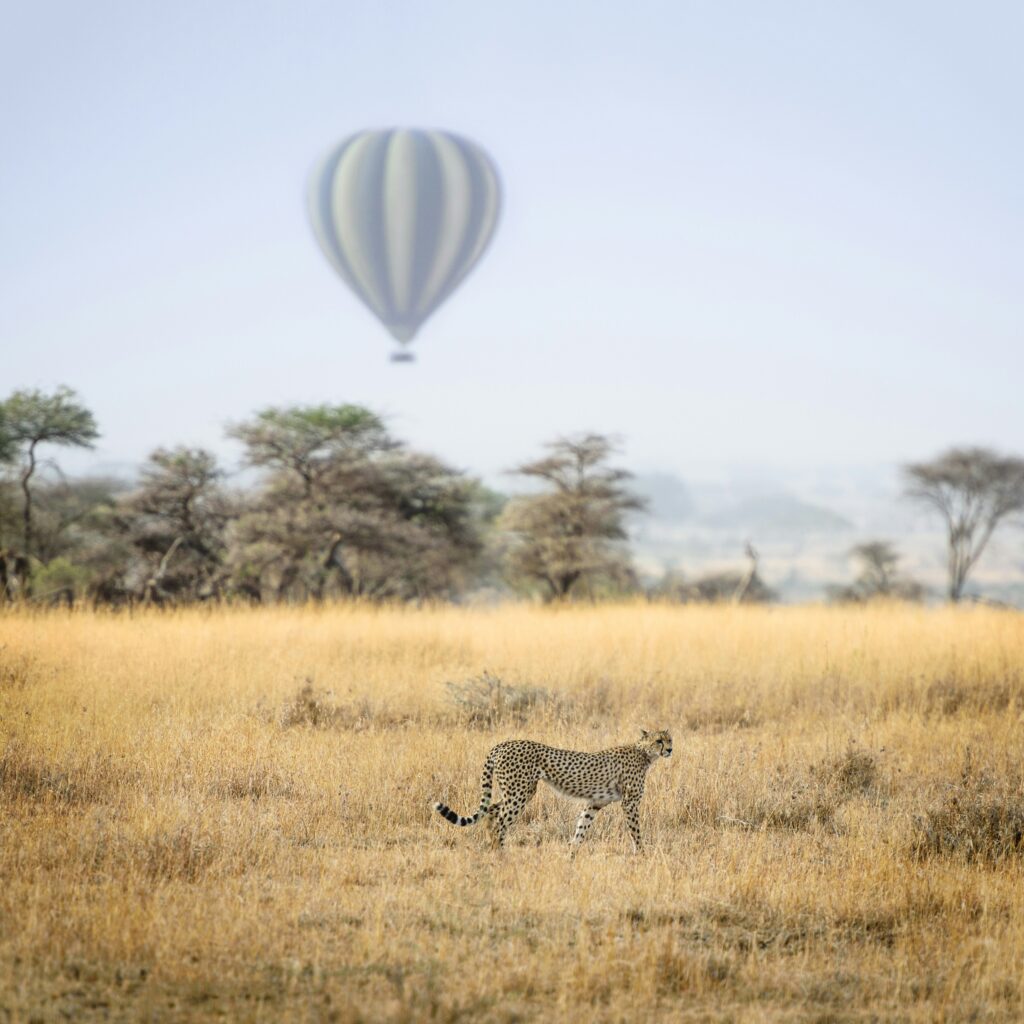
A sunrise hot air balloon safari is one of the most memorable experiences in Serengeti National Park.
As the balloon gently rises above the plains, visitors enjoy breathtaking aerial views of wildlife, rivers, forests, and endless savannah.
The experience includes:
- Sunrise balloon flight
- Spectacular panoramic views
- Wildlife viewing from above
- Champagne bush breakfast
- Professional balloon pilots
- Outstanding photography opportunities
This activity is particularly popular with honeymooners and photographers.
Wildlife Photography in Serengeti National Park
Photographers from around the world travel to Serengeti National Park to capture extraordinary wildlife moments.
The park offers endless opportunities to photograph:
- The Great Wildebeest Migration
- Lions hunting
- Leopards in trees
- Cheetahs on open plains
- Elephants at sunset
- Birds in flight
- Dramatic African landscapes
Our experienced guides position safari vehicles carefully to help guests capture the best possible photographs while respecting wildlife.
Birdwatching in Serengeti National Park
With more than 500 recorded bird species, Serengeti National Park is also a paradise for birdwatchers.
Common species include:
- Secretary birds
- Kori bustards
- Ostriches
- Martial eagles
- Lilac-breasted rollers
- Crowned cranes
- Vultures
- Hornbills
- Kingfishers
Birdwatching is rewarding throughout the year, particularly during the green season when migratory species are present.
Visit a Maasai Community Near Serengeti National Park
Many safari itineraries include a visit to a traditional Maasai village near Serengeti National Park.
Visitors can:
- Learn about Maasai traditions
- Watch traditional dances
- Visit Maasai homes
- Discover bead-making
- Support local artisans
- Learn about pastoral lifestyles
These cultural experiences provide valuable insight into one of East Africa’s most famous communities.
Explore the Different Regions of Serengeti National Park
One reason Serengeti National Park is so diverse is that each region offers unique landscapes and wildlife experiences.
Central Serengeti (Seronera)
The Seronera Valley is famous for:
- Resident wildlife
- Lions
- Leopards
- Cheetahs
- Hippos
- Year-round game viewing
It is one of the best areas for first-time safari visitors.
Southern Serengeti
The southern plains are best known for:
- Calving season
- Large migration herds
- Predator action
- Beautiful open grasslands
This region is most popular from January to March.
Western Corridor
The Western Corridor features:
- Grumeti River
- River crossings
- Crocodiles
- Woodland habitats
- Excellent elephant sightings
This area is ideal during June and July.
Northern Serengeti
Northern Serengeti is famous for:
- Mara River crossings
- Luxury safari camps
- Fewer crowds
- Spectacular migration viewing
- Scenic rolling hills
This region attracts visitors from August through October.
Why Explore Every Corner of Serengeti National Park?
Every region of Serengeti National Park offers something unique. From the wildlife-rich plains of Seronera and the dramatic Mara River crossings to the peaceful landscapes of the Western Corridor and the calving grounds of the south, each area contributes to the park’s global reputation as one of the finest safari destinations.
At Tanzania Crown Safaris, we carefully plan every itinerary based on the season and the movement of wildlife, ensuring our guests experience the very best that Serengeti National Park has to offer while creating unforgettable memories in the heart of Tanzania.
How to Get to Serengeti National Park
Getting to Serengeti National Park is easier than many travelers imagine. Depending on your budget, travel style, and available time, you can reach the park by road, domestic flight, or a combination of both.
Most international visitors arrive at Kilimanjaro International Airport (JRO) before beginning their safari.
By Road
Road safaris are the most popular option because they allow travelers to experience several national parks along Tanzania’s famous Northern Safari Circuit.
Typical routes include:
- Arusha → Tarangire National Park → Serengeti National Park
- Arusha → Lake Manyara National Park → Serengeti National Park
- Arusha → Ngorongoro Crater → Serengeti National Park
The journey from Arusha to Serengeti takes approximately 7–8 hours, including scenic stops and wildlife viewing along the way.
By Domestic Flight
For travelers with limited time or those seeking a luxury experience, daily scheduled flights operate from:
- Arusha Airport (ARK)
- Kilimanjaro International Airport (JRO)
- Julius Nyerere International Airport (DAR)
- Abeid Amani Karume International Airport (ZNZ) in Zanzibar
Flights land at several airstrips within Serengeti National Park, including:
- Seronera Airstrip
- Kogatende Airstrip
- Ndutu Airstrip (seasonal)
- Grumeti Airstrip
- Lobo Airstrip
Flying saves time and offers spectacular aerial views of Tanzania’s landscapes.
Where to Stay in Serengeti National Park
Choosing the right accommodation is an important part of your safari experience. Tanzania Crown Safaris offers carefully selected options to suit every travel style and budget.
Luxury Safari Lodges
Luxury lodges combine exceptional comfort with breathtaking views of the Serengeti.
Guests can enjoy:
- Spacious suites
- Fine dining
- Swimming pools
- Spa facilities
- Private balconies
- Excellent wildlife viewing
These lodges are ideal for honeymooners, couples, and travelers seeking a premium safari experience.
Luxury Tented Camps
Luxury tented camps provide an authentic safari atmosphere without sacrificing comfort.
Features include:
- En-suite bathrooms
- Comfortable beds
- Gourmet meals
- Campfires under the stars
- Personalized service
Many mobile camps move with the Great Wildebeest Migration, allowing guests to stay close to the action.
Mid-Range Safari Camps
Mid-range camps are perfect for travelers looking for comfort and value.
They typically offer:
- Comfortable rooms or tents
- Private bathrooms
- Restaurant services
- Beautiful natural surroundings
- Friendly hospitality
Budget Camping Safaris
Camping safaris are an excellent option for adventurous travelers.
Packages include:
- Comfortable tents
- Camping equipment
- Professional safari chef
- Shared campsite facilities
- Guided game drives
Camping allows visitors to experience the sounds of the African wilderness while keeping costs affordable.
Sample 5-Day Serengeti National Park Safari
A five-day safari is one of the most popular ways to experience Serengeti National Park.
Day 1
Arrival in Arusha and overnight stay.
Day 2
Drive to Serengeti National Park with an afternoon game drive.
Day 3
Full-day game drive in Serengeti National Park.
Day 4
Morning game drive before visiting the Ngorongoro Conservation Area.
Day 5
Game drive in Ngorongoro Crater before returning to Arusha.
This itinerary offers an excellent introduction to Tanzania’s world-famous wildlife.
Sample 7-Day Serengeti National Park Safari
For travelers seeking a more comprehensive adventure, a seven-day safari combines several of Tanzania’s premier wildlife destinations.
Typical itinerary:
- Day 1: Arrival in Arusha
- Day 2: Tarangire National Park
- Day 3: Central Serengeti
- Day 4: Full-day Serengeti safari
- Day 5: Northern or Southern Serengeti (depending on the season)
- Day 6: Ngorongoro Crater
- Day 7: Return to Arusha
This itinerary offers more time for wildlife viewing and increases your chances of witnessing the Great Wildebeest Migration.
Frequently Asked Questions About Serengeti National Park
Why is Serengeti National Park famous?
Serengeti National Park is famous for the Great Wildebeest Migration, the Big Five, abundant predators, and some of the best wildlife viewing in Africa.
What animals can I see in Serengeti National Park?
Visitors commonly see:
- Lions
- Leopards
- Elephants
- Buffaloes
- Black rhinos
- Cheetahs
- Giraffes
- Zebras
- Wildebeest
- Hippos
- Crocodiles
- Hyenas
- More than 500 bird species
How many days should I spend in Serengeti National Park?
Most travelers spend between 3 and 5 days in the park.
Those wishing to follow the Great Wildebeest Migration or explore different regions often choose 6 to 8-day itineraries.
Is Serengeti National Park suitable for families?
Yes. Tanzania Crown Safaris offers family-friendly itineraries with comfortable accommodations, experienced guides, and flexible schedules suitable for children and adults.
Can I visit Serengeti National Park all year?
Absolutely. Wildlife viewing is excellent throughout the year, with each season offering unique highlights such as the calving season, river crossings, or resident wildlife.
Why Choose Tanzania Crown Safaris for Your Serengeti National Park Safari?
Your safari deserves careful planning and local expertise. At Tanzania Crown Safaris, we are passionate about creating unforgettable journeys through Serengeti National Park and Tanzania’s other iconic destinations.
When you travel with us, you enjoy:
- Experienced professional safari guides
- Comfortable 4×4 Land Cruiser safari vehicles
- Tailor-made safari itineraries
- Luxury, mid-range, and budget accommodation options
- Airport transfers
- Transparent pricing with no hidden fees
- Personalized service from arrival to departure
- 24/7 customer support
Our local knowledge ensures you are in the right place at the right time for the best wildlife experiences.
Conclusion
Serengeti National Park is one of the greatest wildlife destinations on Earth. From the endless plains and iconic kopjes to the world-famous Great Wildebeest Migration and the Big Five, every safari offers unforgettable moments.
Whether you dream of witnessing dramatic river crossings, photographing lions at sunrise, soaring above the savannah in a hot air balloon, or relaxing in a luxury safari lodge, Serengeti National Park has something for every traveler.
With Tanzania Crown Safaris, you can explore this extraordinary destination with experienced guides, personalized itineraries, and exceptional service designed to make your African safari truly memorable.
Plan Your Serengeti National Park Safari with Tanzania Crown Safaris
Your unforgettable adventure starts here.
Tanzania Crown Safaris offers expertly guided safaris to Serengeti National Park, tailored to your interests, travel dates, and budget. Whether you’re planning a luxury honeymoon, a family holiday, a private safari, a group tour, or a photography expedition, we are here to create the perfect itinerary.
Contact Tanzania Crown Safaris today and let our experienced team help you discover the breathtaking beauty and incredible wildlife of Serengeti National Park.