Ngorongoro Crater: The Ultimate Safari Guide to Tanzania’s Natural Wonder
Ngorongoro Crater is one of the most extraordinary wildlife destinations in the world and one of Tanzania’s most iconic safari attractions. Often referred to as the “Eighth Wonder of the World,” the crater offers breathtaking scenery, remarkable wildlife, and one of the best opportunities in Africa to see the Big Five in a single day.
Located within the Ngorongoro Conservation Area in northern Tanzania, Ngorongoro Crater is the world’s largest intact and inactive volcanic caldera. Its unique ecosystem supports an incredible concentration of wildlife throughout the year, making it one of the most rewarding safari destinations for first-time visitors, photographers, families, honeymooners, and wildlife enthusiasts.
Whether you are planning a one-day safari or a longer Northern Circuit adventure, Ngorongoro Crater delivers unforgettable experiences with spectacular landscapes, abundant wildlife, and rich Maasai culture.
At Tanzania Crown Safaris, we specialize in expertly guided safaris to Ngorongoro Crater, offering personalized itineraries, professional safari guides, comfortable 4×4 Land Cruisers, and exceptional customer service to ensure every guest enjoys a memorable African safari.
Why Visit Ngorongoro Crater?
There are countless reasons why Ngorongoro Crater is considered one of Africa’s greatest safari destinations.
Unlike many wildlife reserves, animals live within the crater throughout the year thanks to its permanent water sources, fertile grasslands, forests, and swamps. This means visitors can enjoy outstanding game viewing in every season.
Some of the top reasons to visit Ngorongoro Crater include:
- See the Big Five in one safari.
- Experience one of the world’s largest volcanic calderas.
- Enjoy spectacular panoramic viewpoints.
- Discover one of Africa’s highest wildlife densities.
- Observe endangered black rhinoceroses.
- Visit a UNESCO World Heritage Site.
- Enjoy excellent wildlife photography.
- Experience Maasai culture within the conservation area.
- Combine your visit with Serengeti National Park, Tarangire National Park, and Lake Manyara National Park.
Every safari in Ngorongoro Crater offers unique wildlife encounters and unforgettable scenery.
History of Ngorongoro Crater
The history of Ngorongoro Crater dates back more than two million years.
The crater was formed when a massive volcanic mountain, believed to have been as high as Mount Kilimanjaro, erupted and collapsed inward after its magma chamber emptied. The result was the enormous caldera visitors see today.
For centuries, the Ngorongoro region has been home to the Maasai people, who continue to live and graze their livestock within the wider Ngorongoro Conservation Area, maintaining a unique balance between people and wildlife.
In 1959, the Ngorongoro Conservation Area was established to protect both wildlife and the cultural heritage of the Maasai community.
In 1979, the conservation area was recognized as a UNESCO World Heritage Site, acknowledging its exceptional natural beauty, biodiversity, archaeological importance, and successful model of conservation.
Today, Ngorongoro Crater remains one of Tanzania’s most treasured natural attractions and an essential stop on the Northern Safari Circuit.
Where Is Ngorongoro Crater Located?
Ngorongoro Crater is located in northern Tanzania, approximately 180 kilometers (112 miles) west of Arusha.
The crater lies within the Ngorongoro Conservation Area, between Lake Manyara National Park and Serengeti National Park, making it a perfect destination to combine with other famous safari parks.
Approximate distances include:
- Arusha – 180 km
- Mto wa Mbu – 70 km
- Lake Manyara National Park – 60 km
- Serengeti National Park – 145 km
- Tarangire National Park – 150 km
- Kilimanjaro International Airport (JRO) – 235 km
Most visitors travel by road from Arusha, enjoying scenic views of the Great Rift Valley and the Ngorongoro Highlands along the way.
Formation of Ngorongoro Crater
One of the most fascinating aspects of Ngorongoro Crater is its geological history.
Millions of years ago, a giant volcano erupted repeatedly before collapsing under its own weight, forming the enormous crater that exists today.
Today, Ngorongoro Crater measures approximately:
- 19 kilometers (12 miles) across
- 610 meters (2,000 feet) deep
- Over 260 square kilometers of crater floor
Its steep walls surround a rich ecosystem that includes open grasslands, freshwater lakes, swamps, forests, and acacia woodlands.
Because the crater forms a natural enclosure, many animals remain within its boundaries throughout the year, making wildlife viewing exceptionally reliable.
Wildlife in Ngorongoro Crater
Ngorongoro Crater is home to an astonishing diversity of wildlife and is often described as one of the best places in Africa for game viewing.
More than 25,000 large animals live within the crater, including predators, herbivores, and numerous bird species.
Visitors frequently encounter:
- African elephants
- Lions
- Leopards
- Cape buffaloes
- Black rhinoceroses
- Spotted hyenas
- Cheetahs (occasionally)
- Hippos
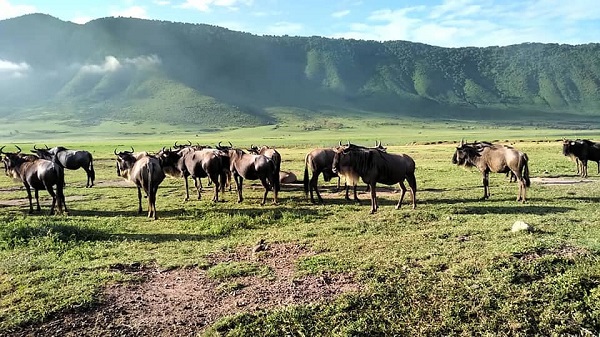
- Wildebeest
- Zebras
- Thomson’s gazelles
- Grant’s gazelles
- Elands
- Warthogs
- Jackals
- Serval cats
The crater’s permanent water sources and fertile grazing lands support wildlife throughout the year, making every game drive rewarding.
The Big Five in Ngorongoro Crater
One of the biggest attractions of Ngorongoro Crater is the opportunity to see the famous Big Five in a single day.
Lion
The crater supports a healthy population of lions that are often seen resting on the open plains or hunting buffaloes and zebras.
Leopard
Although more elusive than lions, leopards can occasionally be spotted in the crater forests and along the forested slopes.
African Elephant
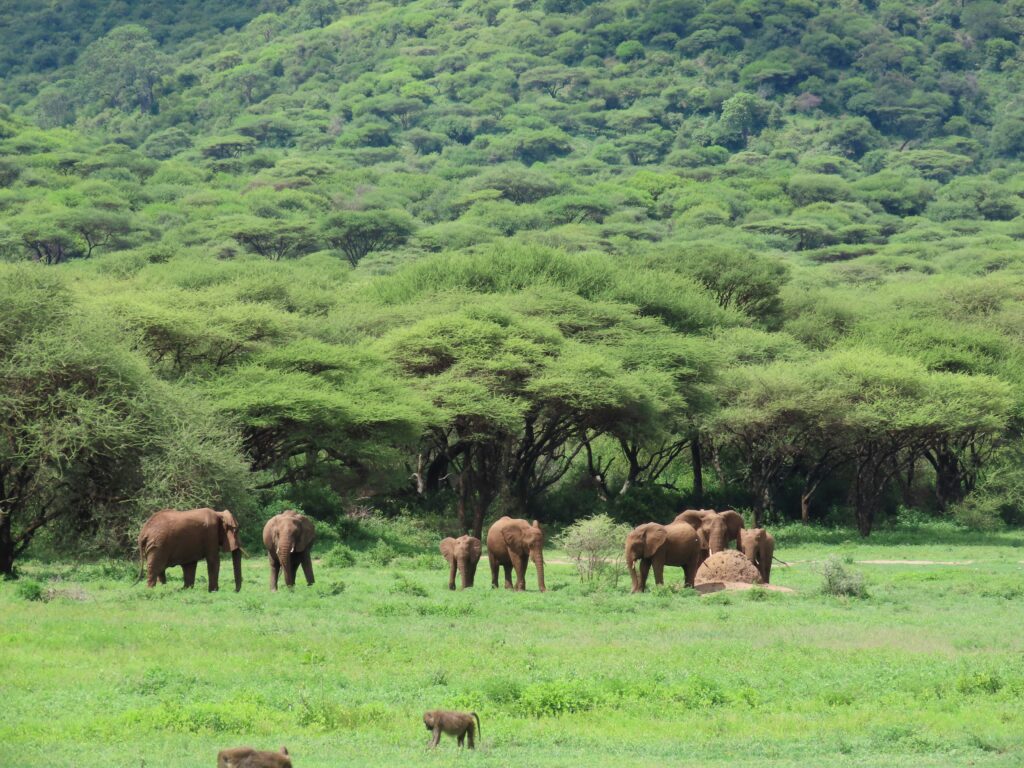
Ngorongoro is famous for its large bull elephants with impressive tusks, often seen feeding in the forested areas of the crater.
Cape Buffalo
Large herds of buffaloes roam the crater floor and are commonly observed during game drives.
Black Rhinoceros
The endangered black rhinoceros is one of the rarest animals in Tanzania, and Ngorongoro Crater offers one of the best chances of seeing this magnificent species in the wild.
For many visitors, spotting all five iconic animals is one of the highlights of their Tanzania safari.
Ngorongoro Crater – A UNESCO World Heritage Site
Ngorongoro Crater is part of the Ngorongoro Conservation Area, a globally recognized conservation success story.
UNESCO designated the area as a World Heritage Site because of its:
- Outstanding natural beauty
- Exceptional biodiversity
- Geological significance
- Rich archaeological heritage
- Unique coexistence of wildlife and Maasai communities
The nearby Olduvai Gorge, often called the “Cradle of Humankind,” contains some of the world’s most important archaeological discoveries and adds even greater significance to the region.
Why Ngorongoro Crater Should Be on Your Safari Bucket List
Few destinations in Africa combine spectacular scenery, incredible wildlife, and fascinating cultural heritage as beautifully as Ngorongoro Crater.
Whether you dream of seeing the Big Five, photographing breathtaking landscapes, exploring a UNESCO World Heritage Site, or experiencing authentic Maasai culture, the crater offers unforgettable memories for every traveler.
At Tanzania Crown Safaris, we are passionate about showcasing the very best of Ngorongoro Crater through expertly planned safaris, experienced local guides, and exceptional personalized service.
From luxury private safaris and family adventures to honeymoon escapes and photography tours, we are ready to help you discover one of the greatest natural wonders on Earth.
Best Time to Visit Ngorongoro Crater
One of the greatest advantages of visiting Ngorongoro Crater is that it offers excellent wildlife viewing throughout the year. Because the crater has permanent water sources and abundant vegetation, animals remain inside the crater ecosystem in every season.
However, the best time to visit depends on your travel preferences, weather expectations, photography goals, and whether you want to avoid crowds.
Ngorongoro Crater During the Dry Season (June to October)
The dry season is considered one of the best times to visit Ngorongoro Crater.
During this period, rainfall is limited, roads are in excellent condition, and animals gather around available water sources, making wildlife easier to spot.
Highlights include:
- Excellent Big Five sightings
- Clear views of the crater landscape
- Comfortable temperatures
- Easier photography conditions
- Less vegetation blocking wildlife views
June to October is especially popular among first-time safari travelers because of the reliable game viewing conditions.
Ngorongoro Crater During the Green Season (November to May)
The green season transforms Ngorongoro Crater into a beautiful landscape filled with fresh grass, wildflowers, and dramatic skies.
This period includes:
- Short rains (November to December)
- Long rains (March to May)
Benefits of visiting during the green season include:
- Beautiful green scenery
- Fewer safari vehicles
- Excellent birdwatching
- Newborn animals
- Great photography opportunities
- Lower accommodation prices in some areas
The rainy season does not stop safari activities, and many travelers enjoy the peaceful atmosphere and vibrant landscapes.
Best Months for Wildlife Viewing in Ngorongoro Crater
For travelers focused on wildlife, the following months are highly recommended:
June to October
Best for:
- Big Five viewing
- Comfortable weather
- Clear landscapes
January to March
Best for:
- Newborn animals
- Birdwatching
- Green scenery
November to December
Best for:
- Fewer crowds
- Fresh landscapes
- Photography
No matter when you visit, Ngorongoro Crater offers unforgettable wildlife encounters.
Things to Do in Ngorongoro Crater
Although a game drive is the main activity, Ngorongoro Crater and the surrounding conservation area offer many unique experiences.
Popular activities include:
- Crater floor game drives
- Picnic lunch inside the crater
- Wildlife photography
- Birdwatching
- Visiting Maasai villages
- Exploring Olduvai Gorge
- Nature walks
- Cultural experiences
Each activity provides a different way to experience the natural and cultural beauty of this remarkable destination.
Game Drives in Ngorongoro Crater
A game drive is the highlight of any visit to Ngorongoro Crater.
Descending through the crater gates, travelers enter a breathtaking world surrounded by towering walls and filled with wildlife.
A typical game drive allows visitors to search for:
- Lions hunting or resting on the plains
- Elephants walking through forests
- Buffalo herds grazing
- Hippos relaxing in pools
- Rhinos moving across open grasslands
- Zebras and wildebeest migrating
The compact nature of the crater means visitors can often see a wide variety of animals within a single day.
At Tanzania Crown Safaris, our professional guides use their local knowledge and experience to locate wildlife while providing fascinating information about animal behavior and conservation.
Crater Floor Picnic Experience
One of the most memorable experiences in Ngorongoro Crater is enjoying a picnic lunch surrounded by incredible scenery.
After a morning of wildlife viewing, guests can enjoy their meals at designated picnic areas while experiencing the beauty of the crater landscape.
A crater picnic offers:
- Beautiful views
- A unique safari atmosphere
- Time to relax during the game drive
- Incredible photography opportunities
The experience of having lunch in one of Africa’s most famous wildlife destinations creates unforgettable memories.
Birdwatching in Ngorongoro Crater
Ngorongoro Crater is also a paradise for bird lovers.
The diverse habitats, including forests, grasslands, lakes, and wetlands, support hundreds of bird species.
Common sightings include:
- Flamingos around Lake Magadi
- Kori bustards
- Crowned cranes
- Secretary birds
- African fish eagles
- Ostriches
- Augur buzzards
- White-backed vultures
- Superb starlings
The wet season is particularly rewarding for birdwatchers because migratory species arrive from Europe and Asia.
Photography in Ngorongoro Crater
Few safari destinations offer such dramatic photography opportunities as Ngorongoro Crater.
The combination of wildlife, landscapes, and changing light creates incredible conditions for photographers.
Popular photography subjects include:
- Lions on the open plains
- Elephants against crater forests
- Rhinos in the grasslands
- Flamingos on Lake Magadi
- Zebras and wildebeest herds
- Sunrise over the crater rim
- Panoramic crater viewpoints
Whether using a professional camera or a smartphone, visitors can capture unforgettable images.
Maasai Cultural Experiences in Ngorongoro Conservation Area
Beyond wildlife, Ngorongoro Crater offers visitors the opportunity to learn about the traditions of the Maasai people.
The Maasai have lived in the Ngorongoro Conservation Area for generations, creating a unique relationship between communities and wildlife.
Cultural visits may include:
- Visiting a traditional Maasai village
- Learning about Maasai traditions
- Experiencing traditional dances
- Understanding pastoral lifestyles
- Exploring local handmade crafts
These experiences add cultural depth to a safari and allow travelers to connect with the people who call this region home.
Olduvai Gorge – The Cradle of Humankind
Located within the wider Ngorongoro Conservation Area, Olduvai Gorge is one of the world’s most important archaeological sites.
The gorge is famous for discoveries that helped scientists understand early human evolution.
Visitors can explore:
- Archaeological exhibits
- Fossil discoveries
- Historical information
- Scenic views of the gorge
A visit to Olduvai Gorge is an excellent addition to a Northern Tanzania safari.
Other Attractions Near Ngorongoro Crater
The surrounding Ngorongoro Conservation Area offers several additional attractions.
Empakai Crater
Empakai Crater is a beautiful volcanic crater known for:
- Scenic hiking trails
- Lake views
- Flamingos
- Peaceful surroundings
Lake Natron
Lake Natron is famous for:
- Large flamingo populations
- Dramatic volcanic landscapes
- Unique photography opportunities
Ol Doinyo Lengai
Known as the “Mountain of God,” Ol Doinyo Lengai is an active volcano and a fascinating destination for adventurous travelers.
Why Ngorongoro Crater Is Perfect for Every Traveler
Whether you are a wildlife enthusiast, photographer, honeymoon couple, family traveler, or first-time visitor to Tanzania, Ngorongoro Crater offers something extraordinary.
Its combination of:
- Incredible wildlife density
- Stunning landscapes
- Rich culture
- Unique geological history
- Easy accessibility
makes it one of the most rewarding safari destinations in Africa.
With Tanzania Crown Safaris, guests enjoy carefully designed itineraries, expert guides, comfortable vehicles, and personalized service to make every moment inside Ngorongoro Crater unforgettable.
How to Get to Ngorongoro Crater
Reaching Ngorongoro Crater is easy, making it one of the most accessible safari destinations in northern Tanzania. Most travelers include the crater as part of a Northern Tanzania safari that also visits Tarangire National Park, Serengeti National Park, and Lake Manyara National Park.
By Road
The most popular way to reach Ngorongoro Crater is by road from Arusha.
Approximate travel distances:
- Arusha to Ngorongoro Crater – 180 km (approximately 3–4 hours)
- Moshi to Ngorongoro Crater – approximately 250 km (5–6 hours)
- Lake Manyara National Park to Ngorongoro Crater – approximately 60 km (1.5–2 hours)
- Serengeti National Park to Ngorongoro Crater – approximately 145 km (3–4 hours)
The road journey offers beautiful views of the Great Rift Valley, local villages, farmlands, and the spectacular landscapes of northern Tanzania.
At Tanzania Crown Safaris, our comfortable 4×4 safari vehicles and experienced drivers ensure a safe and enjoyable journey to the crater.
Where to Stay Near Ngorongoro Crater
Accommodation around Ngorongoro Crater ranges from luxury lodges overlooking the crater rim to comfortable camps and budget options.
Choosing the right accommodation allows visitors to enjoy early morning game drives and maximize their time inside the crater.
Luxury Lodges Near Ngorongoro Crater
Luxury lodges provide an exceptional safari experience with world-class service and breathtaking views.
Facilities often include:
- Elegant rooms and suites
- Fine dining restaurants
- Private balconies
- Fireplace lounges
- Spa services
- Stunning crater views
Luxury accommodation is ideal for:
- Honeymooners
- Couples
- Luxury safari travelers
- Special celebrations
Luxury Tented Camps Near Ngorongoro Crater
Luxury tented camps combine the adventure of staying in the African wilderness with modern comfort.
Guests can enjoy:
- Spacious safari tents
- Private bathrooms
- Comfortable beds
- Gourmet meals
- Campfire experiences
- Personalized service
These camps provide an authentic safari atmosphere while maintaining excellent comfort.
Mid-Range Accommodation Near Ngorongoro Crater
Mid-range lodges and camps offer great value for travelers who want comfort at a reasonable price.
Typical features include:
- Comfortable rooms
- Restaurant facilities
- Beautiful surroundings
- Friendly service
- Easy access to the crater
These options are popular among families, couples, and private safari travelers.
Budget Camping Near Ngorongoro Crater
Budget camping is an affordable way to experience Ngorongoro Crater while staying close to nature.
Camping safaris usually include:
- Quality tents
- Sleeping equipment
- Safari chef
- Campsite facilities
- Professional guides
This option is perfect for adventurous travelers looking for an authentic African safari experience.
Sample 1-Day Ngorongoro Crater Safari
A one-day safari is perfect for travelers with limited time.
Typical itinerary:
Early Morning
- Departure from your lodge
- Drive to the crater viewpoint
- Descend into the crater floor
Morning to Afternoon
- Full game drive inside Ngorongoro Crater
- Search for the Big Five and other wildlife
- Picnic lunch at a designated area
Evening
- Ascend from the crater
- Return to Arusha or continue to another destination
A day trip offers excellent wildlife viewing and is one of the most popular safari experiences in Tanzania.
Sample 2-Day Ngorongoro Crater Safari
A two-day safari allows more time to explore the crater and surrounding areas.
Day 1: Arusha to Ngorongoro Conservation Area
Activities:
- Scenic drive from Arusha
- Visit local viewpoints
- Optional Maasai cultural experience
- Overnight near the crater rim
Day 2: Ngorongoro Crater Safari
Activities:
- Early morning descent into the crater
- Full-day game drive
- Picnic lunch
- Search for lions, elephants, rhinos, buffaloes, and other wildlife
- Return to Arusha or continue to Serengeti
Sample 5-Day Tanzania Big Five Safari Including Ngorongoro Crater
For travelers wanting a complete wildlife adventure, combining Ngorongoro Crater with other famous parks creates the ultimate Tanzania safari.
Example itinerary:
Day 1: Arrival in Arusha
- Airport pickup
- Safari briefing
- Overnight in Arusha
Day 2: Tarangire National Park
- Elephant viewing
- Baobab trees
- Afternoon game drive
- Overnight near Tarangire
Day 3: Serengeti National Park
- Drive through the Ngorongoro Highlands
- Afternoon Serengeti game drive
- Overnight in Serengeti
Day 4: Serengeti Safari
- Full-day wildlife exploration
- Search for predators and large herds
Day 5: Ngorongoro Crater Safari
- Descend into the crater
- Big Five viewing
- Return to Arusha
This itinerary combines Tanzania’s most famous wildlife destinations into one unforgettable journey.
Frequently Asked Questions About Ngorongoro Crater
Why is Ngorongoro Crater famous?
Ngorongoro Crater is famous for its incredible wildlife density, stunning volcanic landscape, and excellent chances of seeing the Big Five in one safari.
What animals can I see in Ngorongoro Crater?
Visitors can see:
- Lions
- Elephants
- Leopards
- Buffaloes
- Black rhinos
- Hippos
- Zebras
- Wildebeest
- Hyenas
- Gazelles
- Many bird species
How many days do I need in Ngorongoro Crater?
Most travelers spend one full day exploring the crater. However, combining it with Serengeti, Tarangire, and Lake Manyara creates a complete 4–7 day Tanzania safari experience.
Is Ngorongoro Crater suitable for families?
Yes. The crater is one of the best safari destinations for families because wildlife sightings are reliable, travel distances are manageable, and many comfortable accommodations are available.
What is the best time to visit Ngorongoro Crater?
The crater can be visited year-round. The dry season from June to October offers excellent wildlife viewing, while January to March provides beautiful green landscapes and opportunities to see newborn animals.
Can I visit Ngorongoro Crater from Zanzibar?
Yes. Travelers from Zanzibar can fly to Arusha or Kilimanjaro International Airport and continue by road or domestic flight connections to begin their safari.
Why Choose Tanzania Crown Safaris for Your Ngorongoro Crater Safari?
At Tanzania Crown Safaris, we create unforgettable safari experiences designed around each traveler’s interests, schedule, and budget.
Our Ngorongoro Crater safaris include:
- Experienced local safari guides
- Comfortable 4×4 Land Cruiser vehicles
- Customized safari itineraries
- Luxury and budget options
- Carefully selected accommodations
- Airport transfers
- Professional planning from start to finish
- Personalized customer support
We understand that every safari is a once-in-a-lifetime experience. Our team ensures that your journey is safe, comfortable, and filled with unforgettable wildlife encounters.
Conclusion
Ngorongoro Crater is one of the world’s greatest natural wonders and a must-visit destination for anyone traveling to Tanzania.
From the breathtaking crater views and incredible concentration of wildlife to the fascinating Maasai culture and ancient history, every moment offers something extraordinary.
Whether you are searching for the Big Five, planning a luxury honeymoon safari, enjoying a family adventure, or exploring Tanzania for the first time, Ngorongoro Crater delivers an unforgettable African experience.
Combined with Serengeti National Park, Tarangire National Park, and other Northern Circuit destinations, the crater creates the perfect Tanzania safari adventure.
Plan Your Ngorongoro Crater Safari with Tanzania Crown Safaris
Ready to explore one of Africa’s most spectacular wildlife destinations?
Tanzania Crown Safaris specializes in private, luxury, and tailor-made safaris to Ngorongoro Crater and across Tanzania.
Our expert team will design the perfect safari experience, from short crater tours to complete Northern Circuit adventures.
Contact Tanzania Crown Safaris today and start planning your unforgettable Ngorongoro Crater safari.