
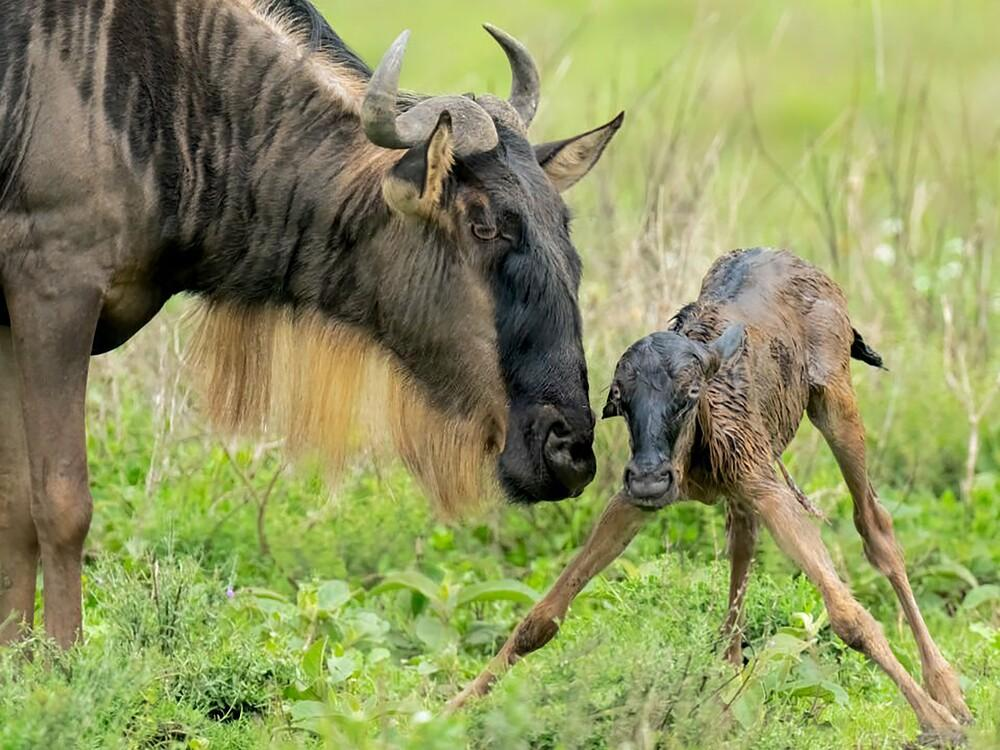
Ndutu Calving Season Safari: Witness the Great Wildebeest Migration in Tanzania
A Ndutu Calving Season Safari offers an unforgettable opportunity to experience the Great Wildebeest Migration in Tanzania during one of its most remarkable stages. Between December and March, large herds of wildebeest and zebras gather across the southern Serengeti ecosystem, while thousands of newborn calves bring the plains to life. This seasonal wildlife spectacle attracts travellers, photographers and nature lovers from around the world.
With Tanzania Crown Safari, you can explore Ndutu on guided game drives, search for lions and cheetahs, and experience the natural beauty of Tanzania’s famous wildlife landscapes.
What Is Ndutu Famous For?
Ndutu is a wildlife area located between the southern Serengeti and the Ngorongoro Conservation Area in northern Tanzania. It is particularly famous for the annual wildebeest calving season, when migrating herds gather on nutrient-rich grasslands.
During this period, many wildebeest give birth within a relatively short time. The newborn calves attract predators, creating opportunities to observe the natural interactions between animals in the African wilderness.
A Ndutu Calving Season Safari allows visitors to witness more than large wildlife herds. It offers a closer look at the life cycle of the Great Migration, from newborn animals taking their first steps to predators moving across the plains.
The combination of open grasslands, seasonal lakes, acacia woodlands and abundant wildlife makes Ndutu a rewarding destination for anyone planning a Tanzania safari.
When Is the Best Time for a Ndutu Calving Season Safari?
The main calving season generally takes place between January and March, although migrating herds may begin arriving in December and remain into April. The timing depends largely on rainfall, grazing conditions and the availability of fresh grass.
January: The Herds Gather
January is an excellent month to explore Ndutu as large herds of wildebeest and zebras gather across the plains. The landscape is often green, creating beautiful scenery for wildlife viewing and photography.
Visitors may see pregnant wildebeest, newborn calves and predators searching for opportunities among the herds.
February: Peak Calving Season
February is generally considered the highlight of the Ndutu calving season. Large numbers of wildebeest calves are born, and the concentration of young animals attracts lions, cheetahs, hyenas and other predators.
For photographers and wildlife enthusiasts, a Ndutu Calving Season Safari in February can provide particularly rewarding opportunities to observe animal behaviour. However, specific wildlife encounters cannot be guaranteed.
March: Green Landscapes and Young Wildlife
March can also offer excellent wildlife viewing, with herds, young calves and predators still present in the area. Seasonal rainfall may affect road conditions, so a flexible itinerary is useful.
Whenever you travel, remember that the Great Migration follows natural conditions rather than a fixed calendar. Planning around the usual seasonal pattern improves your chances of seeing the herds but cannot guarantee their exact location.
Wildlife You Can See in Ndutu
One of the main attractions of a Ndutu Calving Season Safari is the variety of animals found across the plains and surrounding woodlands.
Wildebeest: The migrating herds are the main attraction, particularly during the calving season when newborn calves can be seen beside their mothers.
Zebras: Large numbers of zebras move alongside wildebeest, creating impressive scenes across the grasslands.
Lions: Ndutu offers opportunities to observe lions resting, hunting or interacting with other members of their pride.
Cheetahs: The open plains provide suitable habitat for cheetahs, making Ndutu an appealing destination for wildlife photography.
Hyenas and jackals: These predators and scavengers form an important part of the ecosystem and may be seen near migrating herds.
Leopards: Although more elusive, leopards may be spotted around wooded areas and suitable habitats.
Elephants, giraffes and gazelles: These resident animals add variety to game drives beyond the migrating herds.
Ndutu also offers rewarding birdwatching, with different species found around seasonal lakes, grasslands and woodlands.
Wildlife sightings vary by season and location. Spending several days in the area gives your guide more opportunities to search for different species and follow the movement of the herds.
What Makes the Ndutu Calving Season Special?
Witness Newborn Wildebeest
One of the most memorable experiences is seeing newborn wildebeest learning to stand and walk shortly after birth. Mothers remain close to their calves as the herds move across the plains in search of fresh grazing.
This period highlights the importance of the southern Serengeti ecosystem in supporting the Great Migration.
Observe Predators in Their Natural Habitat
The abundance of young wildebeest attracts predators, including lions, cheetahs and hyenas. A Ndutu Calving Season Safari provides opportunities to observe these animals behaving naturally in their environment.
Predator sightings can be dramatic, but hunting events are unpredictable and should never be expected on demand. Responsible wildlife viewing means keeping a respectful distance and following your guide’s instructions.
Enjoy Exceptional Wildlife Photography
The open plains, green grass, dramatic skies and large herds create beautiful photographic opportunities. Early mornings and late afternoons often provide softer natural light.
Whether you use a professional camera or a smartphone, Ndutu offers many opportunities to capture wildlife and landscapes.
Experience a Different Stage of the Great Migration
Many travellers associate the Great Migration with the dramatic river crossings of northern Serengeti and Kenya’s Maasai Mara. Ndutu offers a different experience, focusing on calving, newborn wildlife and predator activity.
This makes it an excellent choice for visitors who want to understand another important stage of the migration cycle.
What to Expect on a Ndutu Calving Season Safari
A typical safari includes early-morning and afternoon game drives, although schedules depend on your accommodation, route and wildlife conditions.
Your day may begin before sunrise, when your guide takes you across the plains in search of migrating herds, newborn calves and predators. Along the way, you can learn about animal behaviour, seasonal movements and the ecology of the region.
Depending on your itinerary, you may return to camp for breakfast or lunch before heading out again later in the day. Some safaris use picnic lunches to allow more time exploring wildlife areas.
A private safari offers greater flexibility to adjust game drives to your interests, subject to park regulations and local conditions.
For the most immersive experience, consider staying in or near Ndutu rather than visiting only briefly while travelling between distant destinations. This allows more time to explore different parts of the area as wildlife moves.
How Many Days Do You Need in Ndutu?
We recommend allowing around three to four days in the Ndutu area if your main goal is to experience the calving season. Additional time gives you more opportunities to explore different habitats and search for wildlife.
Here are some itinerary ideas:
4-day Ndutu safari: Focus on the Ndutu plains with multiple game drives during the calving season.
5-day Tanzania safari: Combine Ndutu with the Ngorongoro Crater or another suitable destination, depending on your preferred route.
6–7-day northern Tanzania safari: Explore Ndutu alongside additional parts of the Serengeti and the Ngorongoro Crater for a broader wildlife experience.
The best itinerary depends on your arrival point, travel dates, budget and accommodation preferences. Your route should also allow enough time for road transfers rather than rushing between destinations.
Where to Stay During a Ndutu Safari
Accommodation around Ndutu ranges from comfortable tented camps to more luxurious seasonal safari camps. Some camps operate seasonally to place guests closer to the migrating herds during important periods of the year.
Staying near the wildlife areas can reduce travel time to game drives and provide a more immersive safari experience. Many camps offer meals, comfortable beds, private or shared bathroom facilities and opportunities to relax between game drives.
When choosing accommodation, consider its location, comfort level, meal arrangements, access to game-drive areas and total safari cost.
February can be particularly popular, so booking early is advisable if you want a specific camp or room category.
Tanzania Crown Safari can help you compare suitable accommodation options for your travel dates and budget.
What Should You Pack for a Ndutu Safari?
Preparing for changing temperatures and outdoor activities will help you enjoy your safari comfortably.
- Neutral-coloured clothing suitable for game drives.
- A warm jacket or fleece for cool mornings.
- Comfortable shoes for use around camp.
- A hat, sunglasses and sunscreen.
- Binoculars for observing wildlife at a distance.
- A camera with a suitable zoom lens, if available.
- Personal medication and insect repellent.
- A small day bag for essentials during game drives.
If your itinerary includes a light-aircraft flight, check the airline’s luggage limits and whether a soft-sided bag is required.
Why Choose Tanzania Crown Safari?
At Tanzania Crown Safari, we help travellers discover Tanzania through safari experiences planned around their interests, travel dates and budget.
We understand that every traveller has different priorities. Some want to photograph newborn wildebeest, while others are excited to see big cats or experience the Great Migration for the first time.
When planning your Ndutu Calving Season Safari, we can help you consider:
- Private safaris for couples, families and small groups.
- Seasonal accommodation near the Ndutu wildlife areas.
- Itineraries combining Ndutu, Serengeti and Ngorongoro.
- Road and fly-in safari options, subject to availability and budget.
- Travel dates aligned with the expected calving season.
Our aim is to help you enjoy a well-organised safari with suitable accommodation, guided game drives and enough time to appreciate Tanzania’s wildlife.
Frequently Asked Questions About Ndutu Safari
Is Ndutu worth visiting?
Yes. Ndutu is one of Tanzania’s most rewarding wildlife destinations during the calving season. Visitors may experience large herds, newborn wildebeest, predator sightings and beautiful open landscapes.
Which month is best for a Ndutu Calving Season Safari?
February is generally considered the peak month for calving. January and March can also provide excellent wildlife viewing. The exact timing varies according to rainfall and grazing conditions.
Can I see the Big Five in Ndutu?
Ndutu offers opportunities to see lions, leopards, elephants and buffalo. Black rhinos are more closely associated with specific protected habitats elsewhere in northern Tanzania. Combining Ndutu with the Ngorongoro Crater may broaden your opportunities to see the Big Five, although sightings are never guaranteed.
Is Ndutu part of Serengeti National Park?
The Ndutu area lies around the boundary between the southern Serengeti and the Ngorongoro Conservation Area. The herds move through this wider ecosystem, so the exact route, protected areas visited and applicable fees depend on your itinerary.
Is Ndutu suitable for families?
Yes, it can be suitable for families. The best arrangement depends on children’s ages, accommodation policies, transfer times and the style of safari. A private itinerary can offer greater flexibility for family needs.
Should I book my Ndutu safari in advance?
Booking early is recommended, especially for January and February, when well-located seasonal camps can be in high demand. Early planning also gives you more options for accommodation and itinerary design.
Plan Your Ndutu Calving Season Safari with Tanzania Crown Safari
The Ndutu plains offer an extraordinary opportunity to experience the Great Wildebeest Migration during a season filled with new life and remarkable wildlife encounters. From vast herds moving across the grasslands to newborn calves and big cats, each game drive brings the possibility of a memorable discovery.
If you are planning a Tanzania safari between December and March, Tanzania Crown Safari can help you create an itinerary that suits your travel dates, interests and budget.
Contact Tanzania Crown Safari to start planning your Ndutu Calving Season Safari.