
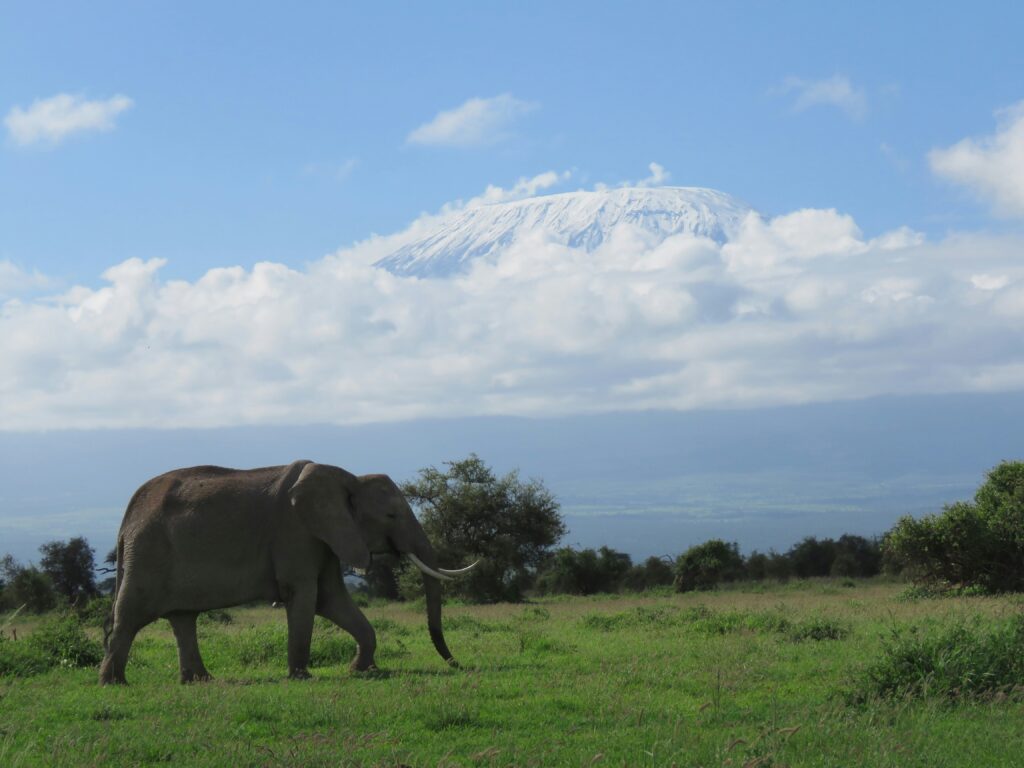
Kilimanjaro National Park: The Ultimate Guide to Africa’s Highest Mountain
Kilimanjaro National Park is one of Africa’s most iconic natural attractions and Tanzania’s premier trekking destination. Home to the legendary Mount Kilimanjaro, the highest mountain in Africa, the park welcomes thousands of adventurers from around the world every year.
Established to protect the mountain’s unique ecosystems and outstanding biodiversity, Kilimanjaro National Park offers far more than a climbing experience. Visitors can explore lush rainforests, alpine meadows, volcanic landscapes, glaciers, and diverse wildlife, all within a single journey.
Whether you dream of standing on the snow-capped summit of Uhuru Peak, enjoying a scenic day hike, or discovering Tanzania’s incredible natural beauty, Kilimanjaro National Park offers an unforgettable adventure for every traveler.
At Tanzania Crown Safaris, we specialize in professionally guided Kilimanjaro climbs, providing experienced mountain guides, quality equipment, carefully planned itineraries, and personalized support to help you reach the Roof of Africa safely and successfully.
Why Visit Kilimanjaro National Park?
There are countless reasons why Kilimanjaro National Park is one of the most visited destinations in Africa.
Unlike many mountain destinations that require technical climbing skills, Mount Kilimanjaro can be climbed without ropes or mountaineering experience. This makes it one of the world’s most accessible high-altitude adventures.
Top reasons to visit Kilimanjaro National Park include:
- Climb Africa’s highest mountain.
- Reach Uhuru Peak at 5,895 meters (19,341 feet).
- Experience five unique climate zones on one mountain.
- Enjoy breathtaking sunrise views above the clouds.
- Explore beautiful rainforest trails.
- Discover unique plants found nowhere else.
- Spot wildlife along the lower slopes.
- Challenge yourself with a once-in-a-lifetime adventure.
- Visit a UNESCO World Heritage Site.
- Combine your climb with a Tanzania wildlife safari or a Zanzibar beach holiday.
Every trek through Kilimanjaro National Park is a rewarding journey filled with spectacular scenery and personal achievement.
History of Kilimanjaro National Park
The history of Kilimanjaro National Park reflects Tanzania’s commitment to protecting one of the world’s most remarkable natural landmarks.
The mountain has long held cultural significance for local Chagga communities, who have lived on its fertile lower slopes for generations. Their traditions, farming practices, and deep connection to the mountain remain an important part of the region’s heritage.
To conserve its fragile ecosystems, Kilimanjaro National Park was officially established in 1973 and opened to visitors in 1977. The park protects the upper mountain, while the surrounding forest reserve safeguards the rich montane forests that supply water to nearby communities.
In 1987, Kilimanjaro National Park was designated a UNESCO World Heritage Site in recognition of its outstanding natural beauty, geological significance, and ecological importance.
Today, the park is managed to balance tourism, conservation, scientific research, and community benefits, ensuring future generations can continue to enjoy this extraordinary destination.
Where Is Kilimanjaro National Park Located?
Kilimanjaro National Park is located in northeastern Tanzania, close to the Kenyan border, within the Kilimanjaro Region.
Its strategic location makes it easy to combine a mountain climb with a safari or a beach holiday.
Approximate distances include:
- Moshi – 45 km
- Arusha – 85 km
- Kilimanjaro International Airport (JRO) – 50 km
- Arusha National Park – 75 km
- Tarangire National Park – 190 km
- Serengeti National Park – approximately 335 km by road (depending on the route)
Most climbers stay in Moshi before and after their expedition because it is the main gateway to Kilimanjaro National Park.
Size and Landscape of Kilimanjaro National Park
Kilimanjaro National Park covers approximately 1,688 square kilometers (652 square miles) and protects the mountain above the surrounding forest reserve.
The park’s landscape changes dramatically with altitude, creating one of the most diverse trekking environments in the world.
Visitors pass through several distinct ecological zones:
- Cultivated farmland
- Montane rainforest
- Heather and moorland
- Alpine desert
- Arctic summit zone
Each zone has its own climate, vegetation, and wildlife, making every day of the climb a unique experience.
Mount Kilimanjaro – The Roof of Africa
The centerpiece of Kilimanjaro National Park is Mount Kilimanjaro, Africa’s tallest mountain and the world’s highest free-standing mountain.
Rising to 5,895 meters (19,341 feet) above sea level, Mount Kilimanjaro is made up of three volcanic cones:
- Kibo – Home to Uhuru Peak, the highest point in Africa.
- Mawenzi – A rugged and dramatic volcanic peak.
- Shira – The oldest volcanic cone, now mostly eroded into a plateau.
Reaching Uhuru Peak is the ultimate goal for most climbers and a life-changing achievement celebrated by adventurers from across the globe.
Wildlife in Kilimanjaro National Park
Although Kilimanjaro National Park is best known for trekking, it is also home to a surprising variety of wildlife, particularly in the forest zone.
Animals that may be seen include:
- Blue monkeys
- Black-and-white colobus monkeys
- Olive baboons
- Bushbucks
- Duikers
- African buffaloes
- Elephants (occasionally in the forest)
- Bush pigs
- Tree hyraxes
The park also supports a rich variety of birds, butterflies, and smaller mammals, making the lower slopes especially rewarding for nature lovers.
While wildlife viewing is not the primary reason for visiting, it adds another fascinating dimension to the Kilimanjaro experience.
A UNESCO World Heritage Site
One of the greatest distinctions of Kilimanjaro National Park is its recognition as a UNESCO World Heritage Site.
This status highlights the park’s:
- Exceptional natural beauty
- Geological significance
- Unique ecosystems
- Global conservation importance
- Outstanding biodiversity
The mountain’s glaciers, volcanic formations, and dramatic ecological transitions make it one of the world’s most remarkable natural landscapes.
Visitors not only enjoy an unforgettable adventure but also contribute to the conservation of this internationally protected treasure.
Climate and Ecosystems of Kilimanjaro National Park
One of the most fascinating aspects of Kilimanjaro National Park is the rapid change in climate as you ascend the mountain.
In just a few days, climbers experience environments that resemble several different continents.
Rainforest Zone (800–1,800 m)
The lower slopes are warm, humid, and covered with dense forest. Giant trees, ferns, orchids, and mosses create a lush habitat for birds and mammals.
Heather and Moorland (1,800–2,800 m)
As the forest thins, hikers enter open landscapes filled with giant heathers, wildflowers, and unique plants such as giant groundsels and lobelias.
Alpine Desert (2,800–4,000 m)
Vegetation becomes sparse as temperatures drop. Rocky terrain and sweeping views dominate this dramatic landscape.
Arctic Summit Zone (Above 4,000 m)
Near the summit, climbers enter a cold, windswept environment of volcanic rock, glaciers, and permanent ice. Standing at Uhuru Peak as the sun rises over Africa is an unforgettable reward for reaching the top.
Why Kilimanjaro National Park Should Be on Your Bucket List
Few destinations in the world combine adventure, natural beauty, and personal achievement like Kilimanjaro National Park.
Whether your goal is to conquer Africa’s highest peak, explore diverse ecosystems, or simply experience one of the world’s most iconic landscapes, the park offers memories that last a lifetime.
At Tanzania Crown Safaris, we are committed to helping every climber enjoy a safe, successful, and rewarding journey. From experienced mountain guides and dedicated support teams to carefully planned itineraries and quality equipment, we ensure every step of your adventure is professionally managed.
No matter your experience level, Kilimanjaro National Park invites you to challenge yourself, embrace nature, and stand proudly on the Roof of Africa.
Best Time to Visit Kilimanjaro National Park
One of the most common questions travelers ask is, “When is the best time to visit Kilimanjaro National Park?” The answer depends on whether your goal is climbing Mount Kilimanjaro, enjoying a day hike, or exploring the surrounding area.
Kilimanjaro National Park is open throughout the year, but the dry seasons provide the best weather, clearer views, and safer trekking conditions.
The two main climbing seasons are:
- January to March
- June to October
These months offer the highest summit success rates and the most comfortable trekking conditions.
Kilimanjaro National Park from January to March
January to March is one of the best periods to visit Kilimanjaro National Park.
During these months, the weather is generally dry, temperatures are moderate, and the mountain is less crowded than during the middle of the year.
Highlights include:
- Clear summit views
- Cooler temperatures
- Fewer climbers
- Excellent photography
- High summit success rates
This season is ideal for travelers seeking a quieter climbing experience.
Kilimanjaro National Park from April to May
April and May are the long rainy season in Kilimanjaro National Park.
Heavy rainfall can make trails muddy and slippery, especially in the rainforest zone.
Although climbing is still possible, visitors should expect:
- Wet conditions
- Limited mountain views
- Fewer trekkers
- Lush green landscapes
Some experienced hikers choose this season for its peaceful trails and lower accommodation costs.
Kilimanjaro National Park from June to October
The dry season from June to October is considered the most popular time to visit Kilimanjaro National Park.
Advantages include:
- Stable weather
- Excellent visibility
- Dry trekking trails
- Comfortable climbing conditions
- Spectacular summit views
This is also the busiest season, so early booking is recommended.
Kilimanjaro National Park from November to December
November brings short rains to Kilimanjaro National Park, but they are usually lighter than the long rains.
Travelers can still enjoy:
- Beautiful scenery
- Fewer crowds
- Pleasant temperatures
- Good climbing opportunities between showers
This period is suitable for climbers who prefer a quieter experience.
Things to Do in Kilimanjaro National Park
Although climbing Mount Kilimanjaro is the main attraction, Kilimanjaro National Park offers several unforgettable activities for visitors.
Popular experiences include:
- Climbing Mount Kilimanjaro
- Day hiking
- Nature walks
- Wildlife viewing
- Birdwatching
- Photography
- Visiting waterfalls near the park
- Exploring nearby Chagga villages
Whether you’re attempting the summit or simply enjoying the lower slopes, there is something for every traveler.
Climbing Mount Kilimanjaro
Climbing Africa’s highest mountain is the highlight of any visit to Kilimanjaro National Park.
Unlike many of the world’s tallest peaks, Mount Kilimanjaro is a non-technical climb. Success depends on good preparation, proper acclimatization, and experienced guides rather than mountaineering skills.
A successful climb rewards you with:
- Standing on Uhuru Peak (5,895 m)
- Spectacular sunrise views
- Snow and glaciers near the summit
- A sense of personal achievement
- Incredible panoramic views across Tanzania and Kenya
At Tanzania Crown Safaris, our experienced mountain crew provides professional guidance, safety monitoring, nutritious meals, and excellent support throughout your trek.
Popular Climbing Routes in Kilimanjaro National Park
One of the unique features of Kilimanjaro National Park is the variety of climbing routes available. Each route offers different scenery, difficulty levels, and success rates.
Machame Route
Known as the “Whiskey Route,” the Machame Route is one of the most scenic paths to the summit.
Highlights include:
- Excellent acclimatization
- Beautiful rainforest
- Shira Plateau
- Lava Tower
- Barranco Wall
- High summit success rate
Recommended duration: 6–7 days
Marangu Route
Often called the “Coca-Cola Route,” the Marangu Route is the only route with mountain huts instead of tents.
Ideal for:
- First-time climbers
- Travelers preferring hut accommodation
- Shorter itineraries
Recommended duration: 5–6 days
Lemosho Route
The Lemosho Route is regarded as one of the best routes in Kilimanjaro National Park because of its outstanding scenery and excellent acclimatization profile.
Advantages include:
- Fewer crowds
- High summit success rate
- Beautiful landscapes
- Diverse ecosystems
Recommended duration: 7–8 days
Rongai Route
Approaching the mountain from the northern side near Kenya, the Rongai Route is quieter and generally drier.
It is well suited for:
- Climbers during the rainy season
- Those seeking fewer crowds
- Moderate difficulty
Recommended duration: 6–7 days
Umbwe Route
The Umbwe Route is the steepest and most challenging route in Kilimanjaro National Park.
It is recommended for:
- Experienced hikers
- Adventurous climbers
- Those comfortable with rapid elevation gain
Recommended duration: 6–7 days
Northern Circuit Route
The Northern Circuit is the longest route on Mount Kilimanjaro and offers the highest summit success rates due to excellent acclimatization.
Benefits include:
- Remote wilderness
- Outstanding scenery
- Minimal crowds
- Excellent success rate
Recommended duration: 8–9 days
Day Hikes in Kilimanjaro National Park
Not every visitor wants to climb to the summit.
Kilimanjaro National Park also offers rewarding day hikes, including walks to Mandara Hut through the lush rainforest.
These hikes allow visitors to:
- Experience the mountain without a multi-day climb
- See unique plants and wildlife
- Learn about the park’s ecosystems
- Enjoy spectacular scenery
Day hikes are ideal for families, photographers, and travelers with limited time.
Wildlife Viewing in Kilimanjaro National Park
While wildlife is not the park’s primary attraction, the rainforest is home to a variety of fascinating species.
Visitors may encounter:
- Blue monkeys
- Colobus monkeys
- Olive baboons
- Bushbucks
- Duikers
- Colorful birds
- Butterflies
Early morning hikes provide the best opportunities for wildlife sightings.
Photography in Kilimanjaro National Park
Kilimanjaro National Park is a dream destination for photographers.
From dense rainforests and giant lobelias to glaciers and panoramic summit views, every stage of the climb offers stunning photo opportunities.
Popular photography subjects include:
- Uhuru Peak sign
- Sunrise above the clouds
- Glaciers
- Giant groundsels
- Mountain camps
- Trekking groups
- Rainforest waterfalls
- Chagga cultural landscapes
Professional and amateur photographers alike will find endless inspiration throughout the park.
Why Kilimanjaro National Park Is One of the World’s Greatest Trekking Destinations
Few mountains in the world offer the diversity, accessibility, and beauty of Kilimanjaro National Park.
From its rich rainforest and unique alpine ecosystems to the unforgettable challenge of reaching Uhuru Peak, every journey is filled with extraordinary experiences.
At Tanzania Crown Safaris, we carefully match each climber with the most suitable route, ensuring proper acclimatization, expert guidance, and the highest possible chance of reaching the summit safely.
Whether you choose the scenic Lemosho Route, the popular Machame Route, the comfortable Marangu Route, or the remote Northern Circuit, Kilimanjaro National Park promises an adventure you’ll remember for the rest of your life.
How to Get to Kilimanjaro National Park
Reaching Kilimanjaro National Park is straightforward thanks to Tanzania’s well-developed tourism infrastructure. Whether you are traveling from overseas or already exploring Tanzania, there are several convenient ways to begin your adventure.
By Air
The main international gateway is Kilimanjaro International Airport (JRO), located between Arusha and Moshi.
Direct and connecting flights arrive from major cities in Africa, Europe, the Middle East, and other international destinations.
Approximate travel times:
- Kilimanjaro International Airport to Moshi – 45 minutes
- Kilimanjaro International Airport to Marangu Gate – 1 hour
- Kilimanjaro International Airport to Machame Gate – 1 hour
- Kilimanjaro International Airport to Lemosho Gate – 2 to 3 hours
Tanzania Crown Safaris provides reliable airport transfers for all our climbing packages.
By Road
Visitors already in Tanzania can easily reach Kilimanjaro National Park by road.
Approximate driving times:
- Arusha to Moshi – 2 hours
- Moshi to Marangu Gate – 45 minutes
- Moshi to Machame Gate – 1 hour
- Arusha to Machame Gate – 2½ hours
Private transfers offer a comfortable and flexible way to reach the park.
Park Entry Fees and Climbing Permits
Every visitor entering Kilimanjaro National Park must obtain valid park permits issued by the Tanzania National Parks Authority (TANAPA).
Permit costs generally include:
- Conservation fees
- Camping or hut fees
- Rescue fees
- Crew entry fees
- Environmental management charges
When you book with Tanzania Crown Safaris, all required park permits are arranged on your behalf, allowing you to focus on preparing for your climb.
Where to Stay Near Kilimanjaro National Park
Accommodation around Kilimanjaro National Park ranges from budget guesthouses to luxury lodges.
Luxury Hotels
Luxury properties offer:
- Spacious rooms
- Swimming pools
- Spa facilities
- Fine dining
- Beautiful gardens
- Mountain views
These hotels are ideal for relaxing before and after your climb.
Mid-Range Lodges
Mid-range accommodation provides excellent comfort at affordable prices.
Features include:
- Private rooms
- En-suite bathrooms
- Restaurants
- Wi-Fi
- Friendly service
These lodges are popular with most climbers.
Budget Accommodation
Budget hotels and guesthouses offer clean, comfortable rooms for travelers seeking value without compromising convenience.
What to Pack for Kilimanjaro National Park
Packing the right equipment is one of the keys to a successful climb in Kilimanjaro National Park.
Essential items include:
- Waterproof hiking boots
- Warm sleeping bag
- Thermal base layers
- Insulated jacket
- Waterproof jacket and trousers
- Hiking trousers
- Fleece jacket
- Warm hat
- Sun hat
- Gloves
- Hiking socks
- Trekking poles
- Headlamp with spare batteries
- Sunglasses
- Sunscreen
- Reusable water bottles or hydration bladder
- Small daypack
- Duffel bag
- Personal medications
- Camera
- Power bank
Tanzania Crown Safaris also offers equipment rental for climbers who prefer not to travel with all their gear.
Sample 7-Day Machame Route Itinerary
One of the most popular climbs in Kilimanjaro National Park is the seven-day Machame Route.
Typical itinerary:
- Day 1: Machame Gate to Machame Camp
- Day 2: Machame Camp to Shira Camp
- Day 3: Shira Camp to Barranco Camp via Lava Tower
- Day 4: Barranco Camp to Karanga Camp
- Day 5: Karanga Camp to Barafu Camp
- Day 6: Summit Uhuru Peak and descend to Mweka Camp
- Day 7: Mweka Camp to Mweka Gate
This itinerary provides excellent acclimatization and one of the highest summit success rates.
Frequently Asked Questions About Kilimanjaro National Park
How difficult is Kilimanjaro National Park?
Climbing Mount Kilimanjaro is physically demanding but does not require technical climbing skills. With proper preparation, fitness, and acclimatization, many trekkers successfully reach the summit.
How many days do I need in Kilimanjaro National Park?
Most climbers spend 6 to 8 days on the mountain. Longer itineraries generally offer better acclimatization and higher summit success rates.
Do I need previous climbing experience?
No. Most routes in Kilimanjaro National Park are suitable for beginners with a reasonable level of fitness and determination.
What is the success rate for climbing Mount Kilimanjaro?
Success depends on route choice, acclimatization, fitness, and weather conditions. Routes lasting 7 to 8 days, such as Machame and Lemosho, typically have higher success rates than shorter climbs.
Can children climb Mount Kilimanjaro?
According to park regulations, climbers must meet the minimum age requirements set by the Tanzania National Parks Authority. Tanzania Crown Safaris can advise families on suitable options and current regulations.
Why Choose Tanzania Crown Safaris for Your Kilimanjaro National Park Adventure?
Choosing the right operator is one of the most important decisions when planning your climb.
Tanzania Crown Safaris is committed to providing safe, enjoyable, and professionally organized expeditions.
When you climb with us, you benefit from:
- Experienced, licensed mountain guides
- Professional porters and cooks
- High-quality camping equipment
- Daily health and altitude monitoring
- Nutritious meals prepared on the mountain
- Fair treatment of mountain crews
- High safety standards
- Airport transfers
- Personalized customer support from arrival to departure
Our goal is not only to help you reach Uhuru Peak but also to ensure you enjoy every step of the journey.
Conclusion
Kilimanjaro National Park is much more than the home of Africa’s highest mountain. It is a place of breathtaking beauty, remarkable biodiversity, and unforgettable adventure.
From lush rainforests and giant lobelias to alpine deserts and the snow-covered summit of Uhuru Peak, every stage of the climb reveals a new landscape and a new challenge.
Whether you are an experienced trekker or climbing your first mountain, Kilimanjaro National Park offers an experience that will stay with you forever.
With Tanzania Crown Safaris, you can enjoy a carefully planned expedition led by experienced professionals who are dedicated to your safety, comfort, and success.
Plan Your Kilimanjaro National Park Adventure with Tanzania Crown Safaris
Are you ready to stand on the Roof of Africa?
Tanzania Crown Safaris offers expertly guided climbs on all major Kilimanjaro routes, including the Machame, Marangu, Lemosho, Rongai, Umbwe, and Northern Circuit routes.
Whether you are traveling solo, with friends, as a family, or as part of a private group, we will design the perfect itinerary based on your goals, fitness level, and schedule.
Contact Tanzania Crown Safaris today and let us help you plan an unforgettable journey through Kilimanjaro National Park to the summit of Mount Kilimanjaro.