
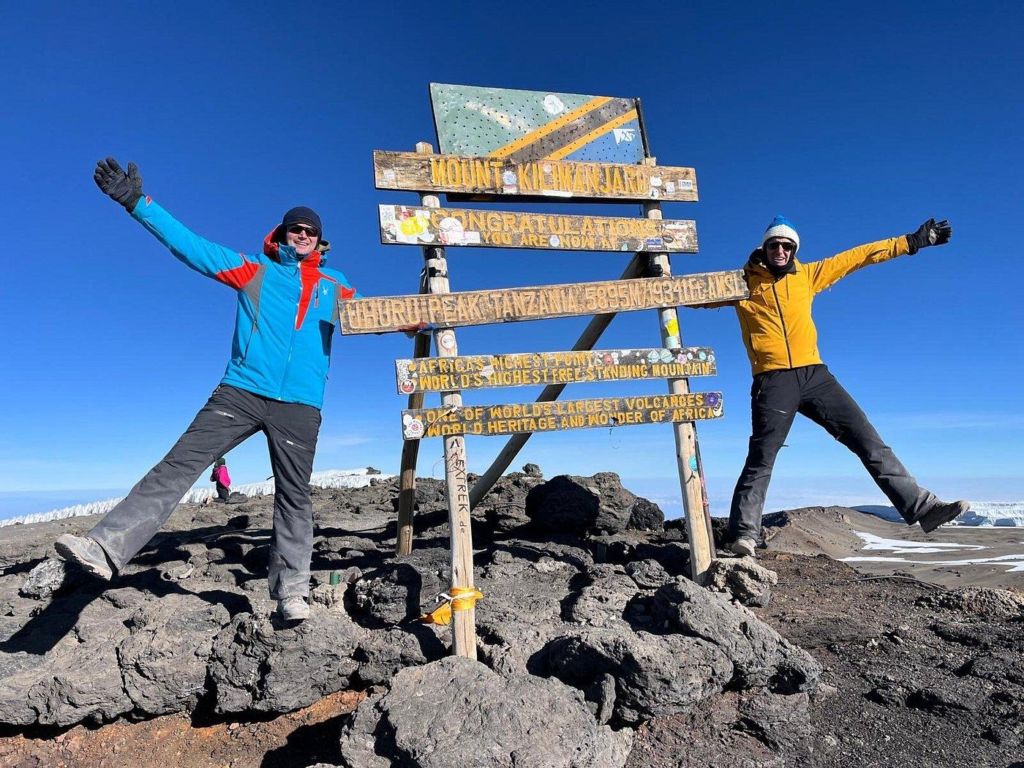
Kilimanjaro Success Summit Rate
The Kilimanjaro Success Summit Rate is one of the most important factors climbers consider when planning to conquer Africa’s highest mountain. While thousands of people attempt to reach Uhuru Peak (5,895 meters / 19,341 feet) every year, not everyone successfully reaches the summit. Your chances of success depend on several factors, including the route you choose, the number of climbing days, your physical fitness, acclimatization, and the experience of your mountain crew.
At Tanzania Crown Safaris, we are committed to helping every climber maximize their chances of standing on the Roof of Africa. Through carefully planned itineraries, experienced guides, proper acclimatization, and personalized support, we help our clients climb safely and confidently.
What Is the Kilimanjaro Success Summit Rate?
The Kilimanjaro Success Summit Rate refers to the percentage of climbers who successfully reach Uhuru Peak, the highest point on Mount Kilimanjaro.
Success rates vary significantly between routes because some provide more time for acclimatization than others. Routes with additional climbing days generally have higher summit success rates because they allow the body to adapt gradually to increasing altitude.
Choosing the right itinerary is one of the most effective ways to improve your chances of reaching the summit safely.
Average Kilimanjaro Summit Success Rates by Route
Although success rates vary between operators and individual climbers, longer itineraries generally provide the highest chance of reaching the summit.
| Route | Typical Duration | Estimated Success Rate |
|---|---|---|
| Lemosho Route | 7–8 Days | 90–95% |
| Northern Circuit | 8–9 Days | 95%+ |
| Machame Route | 7 Days | 85–90% |
| Rongai Route | 6–7 Days | 80–90% |
| Marangu Route | 6 Days | 70–80% |
| Umbwe Route | 6 Days | 60–70% |
These figures are approximate and can vary depending on the itinerary, acclimatization schedule, weather conditions, and the experience of the guiding company.
Factors That Affect Your Summit Success
Reaching the summit is about much more than physical strength. Several key factors influence whether you successfully reach Uhuru Peak.
Route Selection
Choosing a route with more acclimatization time is one of the most important decisions. Longer routes such as the Northern Circuit and Lemosho Route generally have the highest success rates because they allow your body to adjust gradually to higher elevations.
Acclimatization
Altitude sickness is the main reason climbers do not reach the summit. Proper acclimatization, following the “climb high, sleep low” principle where possible, and avoiding rapid altitude gain greatly improve your chances of success.
Physical Preparation
Although Kilimanjaro does not require technical climbing skills, good cardiovascular fitness, leg strength, and endurance make the climb more comfortable and enjoyable.
Regular hiking, cycling, running, and strength training before your trip are highly recommended.
Mental Determination
Summit night is physically and mentally demanding. Staying positive, maintaining a steady pace, and listening to your guide can make a significant difference.
Professional Guides
Experienced mountain guides monitor your health, pace, hydration, and acclimatization throughout the trek. Their expertise plays a vital role in helping climbers reach the summit safely.
At Tanzania Crown Safaris, our experienced mountain teams provide continuous support from the first day of your trek until you stand at Uhuru Peak.
Why Climb with Tanzania Crown Safaris?
Your choice of operator can greatly influence your overall experience and summit success.
When you climb with Tanzania Crown Safaris, you benefit from:
- Professional and licensed mountain guides
- Well-planned itineraries with proper acclimatization
- Experienced cooks and porters
- Daily health monitoring
- High-quality camping equipment
- Nutritious meals throughout the climb
- Safety-first approach
- Personalized support before and during your expedition
Our goal is not only to help you reach the summit but also to ensure you enjoy a safe, rewarding, and unforgettable Kilimanjaro adventure.
How to Increase Your Kilimanjaro Success Summit Rate
Although climbing Mount Kilimanjaro is a challenging adventure, there are several proven ways to significantly improve your chances of reaching Uhuru Peak. Proper preparation, choosing the right route, and climbing with an experienced operator all contribute to a successful summit.
Choose a Longer Route
One of the biggest factors affecting the Kilimanjaro Success Summit Rate is the number of days spent on the mountain. Longer routes provide more time for acclimatization, allowing your body to adjust to the higher altitude.
Recommended routes include:
- Lemosho Route (7–8 Days)
- Northern Circuit (8–9 Days)
- Machame Route (7 Days)
These routes consistently provide higher summit success rates than shorter itineraries.
Train Before Your Climb
You don’t need to be a professional athlete, but good physical fitness will make your trek much more enjoyable.
Focus on:
- Long-distance walking
- Hiking with a backpack
- Stair climbing
- Cycling
- Running or jogging
- Strength training
Training for at least 8–12 weeks before your climb is highly recommended.
Walk Slowly
One of the most common sayings on Kilimanjaro is:
“Pole Pole” — meaning “Slowly, Slowly.”
Walking at a slow, steady pace helps conserve energy and gives your body more time to adapt to the altitude.
Stay Hydrated
Proper hydration helps reduce the effects of altitude.
Most climbers should aim to drink 3–4 liters of water per day during the trek, unless your guide advises otherwise.
Eat Well
Even if your appetite decreases at higher altitudes, it’s important to continue eating nutritious meals to maintain your energy levels throughout the climb.
Listen to Your Guides
Your guides are trained to recognize early signs of altitude sickness and understand how to pace the climb safely.
Following their advice greatly improves your chances of reaching the summit.
Common Reasons Climbers Do Not Reach the Summit
Understanding why some climbers turn back can help you avoid common mistakes.
Altitude Sickness
The most common reason for unsuccessful summit attempts is Acute Mountain Sickness (AMS).
Symptoms may include:
- Headache
- Nausea
- Dizziness
- Fatigue
- Loss of appetite
- Difficulty sleeping
Severe symptoms require immediate descent under the guidance of your mountain team.
Choosing a Route That’s Too Short
Shorter routes allow less time for acclimatization, increasing the likelihood of altitude-related issues.
If your schedule allows, choose a longer itinerary for a better chance of success.
Poor Physical Preparation
While Kilimanjaro is a non-technical climb, good endurance and stamina make the trek much more manageable.
Climbing Too Fast
Trying to maintain a fast pace can quickly lead to exhaustion and worsen altitude sickness.
Remember the Kilimanjaro motto:
Pole Pole.
Best Routes for Beginners
If this is your first high-altitude trek, consider one of these routes:
Lemosho Route
- Excellent acclimatization
- Beautiful scenery
- High summit success rate
- Less crowded during the early days
Machame Route (7 Days)
- Scenic and diverse landscapes
- Good acclimatization profile
- Popular among adventurous climbers
Northern Circuit
- Highest overall success rate
- Quiet trails
- Outstanding panoramic views
- Best option for maximum acclimatization
Best Time to Climb Mount Kilimanjaro
Mount Kilimanjaro can be climbed throughout the year, but some seasons provide better conditions.
January – March
- Cooler temperatures
- Fewer climbers
- Excellent visibility
- Occasional snow near the summit
June – October
- Dry weather
- Clear skies
- Best trekking conditions
- Most popular climbing season
November & April–May
These months experience more rainfall, making trails wetter and reducing visibility. Climbs are still possible but may be more challenging.
Essential Gear for Summit Success
Having the right equipment is essential for a safe and comfortable climb.
Recommended gear includes:
- Waterproof hiking boots
- Warm insulated jacket
- Thermal base layers
- Waterproof trousers
- Fleece jacket
- Gloves
- Warm hat
- Headlamp with spare batteries
- Trekking poles
- Sunglasses
- Sunscreen
- Sleeping bag rated for low temperatures
- Reusable water bottles or hydration system
- Daypack
Quality gear helps you stay comfortable in Kilimanjaro’s changing climate.
Summit Night: What to Expect
Summit night is the most demanding part of the trek.
You’ll usually begin your ascent around midnight, climbing slowly under the stars with headlamps lighting the trail.
Temperatures often fall well below freezing, making warm clothing essential.
After several hours of steady climbing, you’ll reach Stella Point, followed by the final walk to Uhuru Peak, where you’ll witness one of Africa’s most breathtaking sunrises.
Standing at the summit is an unforgettable achievement and the reward for days of determination and preparation.
Who Can Climb Kilimanjaro?
Thousands of people from around the world successfully climb Mount Kilimanjaro every year.
The mountain is suitable for:
- Beginners with proper preparation
- Experienced hikers
- Solo travelers
- Couples
- Families with older teenagers
- Adventure seekers
- Charity groups
- Corporate teams
No technical climbing experience is required, making Kilimanjaro one of the world’s most accessible high mountains.
Why Longer Routes Have Higher Summit Success Rates
Many climbers assume that physical fitness alone determines whether they will reach the summit. In reality, the most important factor is acclimatization. Longer routes allow your body to gradually adapt to lower oxygen levels, reducing the risk of altitude sickness and improving your chances of reaching Uhuru Peak.
For this reason, routes such as the Northern Circuit, Lemosho Route, and the 7-Day Machame Route consistently achieve higher summit success rates than shorter itineraries.
Expert Tips for Reaching Uhuru Peak
Follow these practical tips to improve your summit chances:
- Choose a route with at least seven days.
- Train consistently for several weeks before your trip.
- Walk slowly (“Pole Pole”) throughout the climb.
- Drink enough water every day.
- Eat regular, nutritious meals even if your appetite decreases.
- Get plenty of rest each night.
- Wear appropriate clothing for changing mountain conditions.
- Follow your guide’s instructions at all times.
- Stay positive and maintain a steady pace.
Frequently Asked Questions
What is the easiest Kilimanjaro route?
The Marangu Route is often considered the most comfortable because it uses mountain huts instead of tents. However, the Lemosho Route and Northern Circuit usually have higher summit success rates thanks to better acclimatization.
Which Kilimanjaro route has the best success rate?
The Northern Circuit Route generally has the highest summit success rate because it provides the longest acclimatization period.
Can beginners climb Kilimanjaro?
Yes. With proper preparation, a suitable route, and experienced guides, many beginners successfully reach Uhuru Peak each year.
How long does it take to climb Mount Kilimanjaro?
Most climbers complete the trek in 6 to 9 days, depending on the route selected.
What is the best month to climb Kilimanjaro?
The most popular climbing seasons are January to March and June to October, when the weather is generally drier and visibility is excellent.
Tour Inclusions
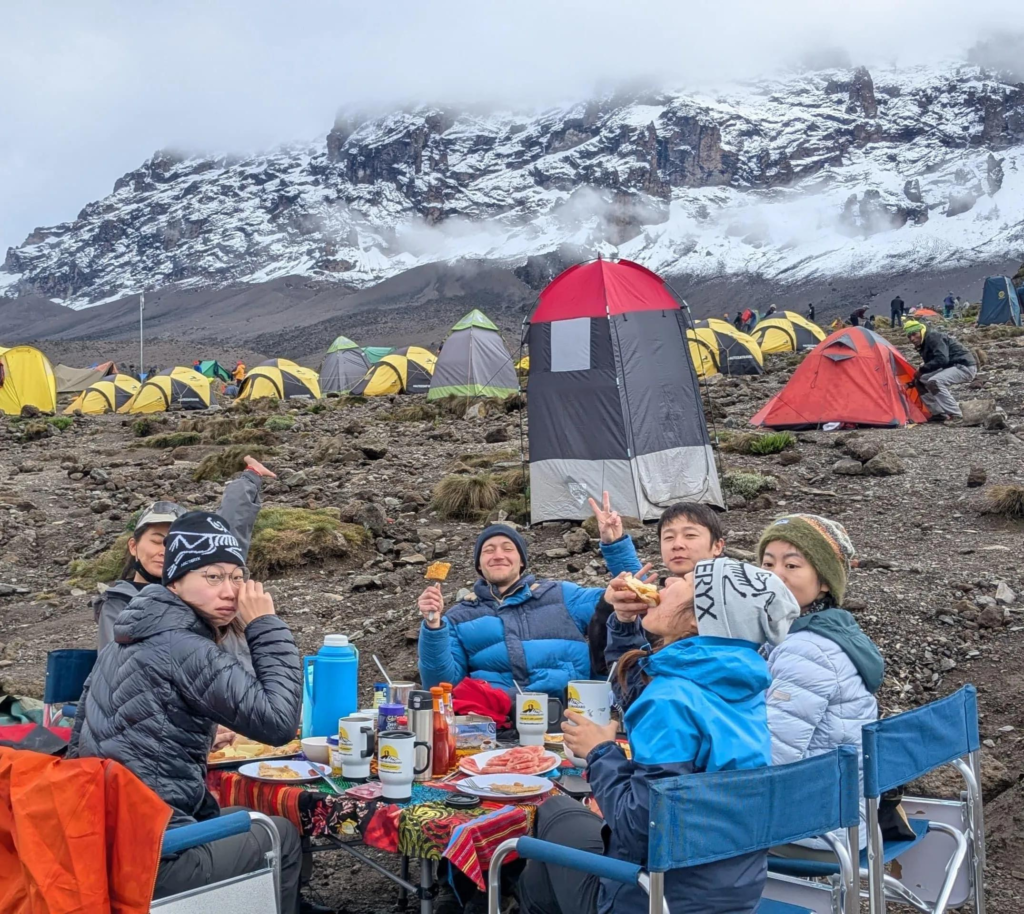
When you climb with Tanzania Crown Safaris, your Kilimanjaro Success Summit Rate is supported by professional planning, experienced guides, quality equipment, and exceptional customer care.
Our Kilimanjaro Climbing Packages Include
- ✔️ Professional English-speaking mountain guides
- ✔️ Experienced assistant guides, cooks, and porters
- ✔️ All Kilimanjaro National Park entrance fees
- ✔️ Camping or hut accommodation (depending on the route)
- ✔️ Three nutritious meals per day on the mountain
- ✔️ Drinking water throughout the climb
- ✔️ Quality mountain tents and camping equipment (camping routes)
- ✔️ Portable toilet (private climbs)
- ✔️ Daily health checks and pulse oximeter monitoring
- ✔️ Emergency oxygen cylinder
- ✔️ Rescue support and emergency procedures
- ✔️ Government taxes and VAT
- ✔️ Kilimanjaro Summit Certificate upon successful completion
Tour Exclusions
The following items are not included:
- ❌ International and domestic flights
- ❌ Tanzania Visa
- ❌ Personal climbing gear
- ❌ Travel insurance
- ❌ Tips for guides, cooks, and porters
- ❌ Personal expenses
- ❌ Hotel accommodation before and after the climb (unless included in your package)
Frequently Asked Questions
What is the average Kilimanjaro Success Summit Rate?
Success rates vary depending on the route and itinerary. Longer routes such as the Northern Circuit and Lemosho Route generally have the highest success rates because they provide more time for acclimatization.
Which Kilimanjaro route has the highest summit success rate?
The Northern Circuit Route typically offers the highest summit success rate, often exceeding 95% on well-planned itineraries. The Lemosho Route is also an excellent choice due to its gradual ascent and outstanding acclimatization profile.
Is Kilimanjaro difficult to climb?
Mount Kilimanjaro is physically demanding, but it is a non-technical mountain. Most healthy people with proper preparation, determination, and guidance can successfully reach the summit.
What is the best age to climb Kilimanjaro?
The minimum recommended age is generally 10 years, while many climbers in their 60s and 70s have successfully reached Uhuru Peak. Fitness, preparation, and acclimatization are more important than age.
How long should I train before climbing?
Most climbers benefit from 8 to 12 weeks of training, including hiking, cardio exercises, strength training, and long walks carrying a light backpack.
Can beginners climb Kilimanjaro?
Yes. Many first-time trekkers successfully reach the summit each year by choosing a longer route, preparing well, and following their guides’ advice.
Why Choose Tanzania Crown Safaris?
Your success on Mount Kilimanjaro depends on much more than determination. It also depends on the experience and support of the team guiding you.
Experienced Mountain Guides
Our professional guides have extensive experience leading climbers on all major Kilimanjaro routes. They carefully monitor your health, pace, and acclimatization while providing encouragement throughout the journey.
Safety Comes First
Your safety is our highest priority.
Every climb includes:
- Daily health monitoring
- Pulse oximeter checks
- Emergency oxygen
- First aid equipment
- Well-trained mountain crew
- Emergency evacuation procedures when required
Carefully Planned Itineraries
We recommend routes with excellent acclimatization profiles, giving you the best possible chance of reaching Uhuru Peak safely and comfortably.
High-Quality Equipment
We provide reliable camping equipment, nutritious meals, and experienced support staff to ensure you remain comfortable throughout your adventure.
Personalized Service
Whether you’re climbing alone, with friends, family, or as part of a group, we tailor every Kilimanjaro expedition to match your experience, fitness level, and travel goals.
Conclusion
Understanding the Kilimanjaro Success Summit Rate is an important part of planning your climb. Choosing the right route, allowing enough time for acclimatization, training before your expedition, and climbing with an experienced operator all play a vital role in reaching Uhuru Peak.
While no company can guarantee a summit, careful preparation and expert guidance can greatly improve your chances of success. At Tanzania Crown Safaris, we are committed to helping every climber enjoy a safe, rewarding, and unforgettable journey to the Roof of Africa.
Whether you choose the scenic Lemosho Route, the popular Machame Route, the comfortable Marangu Route, or the highly successful Northern Circuit, our experienced mountain team will support you every step of the way.
Book Your Kilimanjaro Adventure Today
Are you ready to stand on the highest point in Africa?
Book your Mount Kilimanjaro climb with Tanzania Crown Safaris and let our experienced team help you maximize your chances of reaching Uhuru Peak safely and confidently.
Contact us today for a free itinerary, personalized advice, and a no-obligation quotation.