
Mount Meru Tanzania: Complete Climbing Guide & Trekking Adventure (2026)
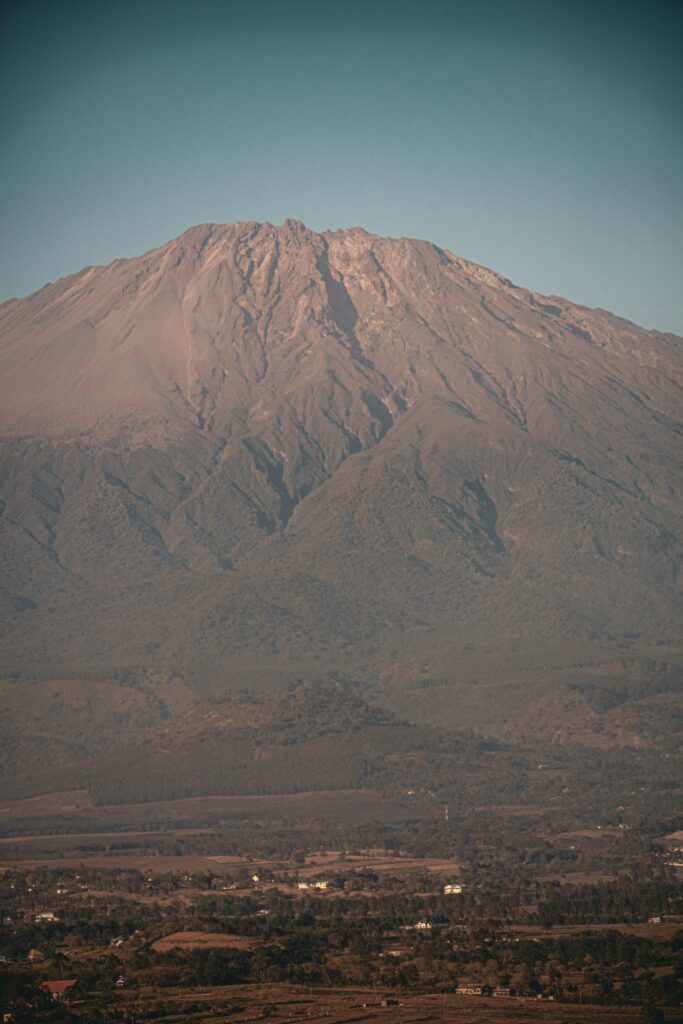
Mount Meru is Tanzania’s second-highest mountain and one of East Africa’s most rewarding trekking destinations. Rising to 4,566 meters (14,980 feet) above sea level, this magnificent dormant volcano offers breathtaking scenery, diverse wildlife, and an exciting climbing experience that is often considered one of Tanzania’s best-kept secrets.
Located within Arusha National Park, Mount Meru provides a unique adventure that combines mountain trekking with a wildlife safari. Unlike many trekking destinations around the world, climbers may encounter giraffes, buffaloes, zebras, warthogs, monkeys, and numerous bird species as they begin their journey through the lower slopes of the mountain.
Although it is often overshadowed by nearby Mount Kilimanjaro, Mount Meru offers spectacular views, fewer crowds, excellent acclimatization opportunities, and a rewarding summit experience. Many climbers choose Mount Meru as preparation before attempting Kilimanjaro, while others visit simply to enjoy its natural beauty and challenging trails.
At Tanzania Crown Safaris, we organize professionally guided Mount Meru trekking adventures with experienced mountain guides, armed park rangers, quality equipment, and carefully planned itineraries that ensure a safe, enjoyable, and unforgettable climb.
Where Is Mount Meru Located?
Mount Meru is located in Arusha National Park in northern Tanzania, approximately 70 kilometers west of Kilimanjaro International Airport (JRO) and about 15 kilometers from Arusha City.
Its convenient location makes it one of the most accessible mountains in East Africa and an excellent addition to a Tanzania safari or Kilimanjaro climbing itinerary.
Approximate travel distances include:
- Arusha City to Mount Meru: 30 minutes
- Kilimanjaro International Airport to Mount Meru: 1–1.5 hours
- Moshi to Mount Meru: 2 hours
- Ngorongoro Conservation Area to Mount Meru: 3–4 hours
Because it lies within Arusha National Park, visitors enjoy both mountain trekking and exceptional wildlife viewing before the climb even begins.
Why Climb Mount Meru?
There are many reasons why Mount Meru is becoming increasingly popular among trekkers from around the world.
Unlike busier climbing destinations, Mount Meru offers peaceful trails, incredible scenery, and a more intimate mountain experience.
Reasons to climb Mount Meru include:
- Tanzania’s second-highest mountain
- Outstanding preparation for Mount Kilimanjaro
- Spectacular summit sunrise
- Incredible views of Mount Kilimanjaro
- Diverse landscapes
- Wildlife encounters inside Arusha National Park
- Fewer climbers and quieter trails
- Excellent photography opportunities
- Professional guided trekking experiences
Whether you are an experienced mountaineer or an adventurous traveler looking for a new challenge, Mount Meru provides an unforgettable experience.
History of Mount Meru
Mount Meru is a dormant stratovolcano formed by volcanic activity millions of years ago as part of the East African Rift System.
Scientists believe that a massive volcanic eruption thousands of years ago caused the eastern side of the mountain to collapse, creating the dramatic horseshoe-shaped crater visible today.
Today, the mountain remains volcanically inactive and supports a wide variety of ecosystems, ranging from dense montane forests to alpine moorlands and rocky summit ridges.
For generations, Mount Meru has also held cultural significance for local communities living around its slopes, including the Meru people and Maasai communities.
Interesting Facts About Mount Meru
Here are some fascinating facts about Mount Meru:
- Height: 4,566 meters (14,980 feet)
- Tanzania’s second-highest mountain
- Africa’s fifth-highest mountain
- Located inside Arusha National Park
- Dormant stratovolcano
- Summit known as Socialist Peak
- Popular acclimatization climb before Kilimanjaro
- Home to diverse wildlife and rich biodiversity
These unique features make Mount Meru one of East Africa’s most exciting trekking destinations.
Wildlife on Mount Meru
One of the most remarkable aspects of climbing Mount Meru is the opportunity to see wildlife before reaching the mountain slopes.
Because the trek begins within Arusha National Park, climbers are often accompanied by an armed ranger for safety while hiking through wildlife habitats.
Animals commonly seen include:
- Giraffes
- Cape buffaloes
- Zebras
- Warthogs
- Bushbucks
- Colobus monkeys
- Blue monkeys
- Baboons
- Antelopes
Bird enthusiasts may also spot:
- Hartlaub’s turaco
- Crowned eagle
- Hornbills
- Sunbirds
- Various forest birds
This combination of trekking and wildlife viewing makes Mount Meru unlike almost any other mountain climb in Africa.
Landscapes of Mount Meru
As climbers ascend Mount Meru, they pass through several distinct ecological zones.
Montane Forest
The lower slopes feature dense forests filled with towering trees, waterfalls, mosses, and abundant wildlife.
Heather and Moorland
Higher up, the forest gives way to open heathlands covered with giant heather, shrubs, and colorful alpine flowers.
Alpine Desert
Closer to the summit, the landscape becomes rocky and rugged with volcanic ash, lava formations, and sparse vegetation.
Crater Rim
The dramatic crater rim offers breathtaking views across the mountain and surrounding plains, creating one of the most scenic sections of the climb.
Each ecosystem provides different landscapes, wildlife, and photography opportunities.
The highest point on Mount Meru is Socialist Peak, standing at 4,566 meters (14,980 feet) above sea level.
Most summit attempts begin around midnight, allowing climbers to reach the top shortly after sunrise.
The summit rewards trekkers with unforgettable panoramic views of:
- Mount Kilimanjaro
- Arusha National Park
- Momella Lakes
- The Great Rift Valley
- Volcanic craters
- Northern Tanzania’s landscapes
On clear mornings, the sunrise from Socialist Peak is considered one of the most spectacular mountain views in East Africa.
Reaching the summit is both physically demanding and deeply rewarding, making it a memorable achievement for climbers of all experience levels.
Why Mount Meru Should Be on Your Tanzania Adventure List
Mount Meru is far more than a training climb for Kilimanjaro. It is a destination that combines mountain adventure, wildlife encounters, breathtaking scenery, and peaceful trekking trails into one unforgettable experience.
From walking through forests filled with giraffes and buffaloes to standing on Socialist Peak as the sun rises over Mount Kilimanjaro, every stage of the journey offers something extraordinary.
At Tanzania Crown Safaris, we provide expertly guided Mount Meru climbs designed to deliver a safe, comfortable, and memorable adventure while showcasing the incredible beauty of Arusha National Park and northern Tanzania.
Mount Meru Trekking Routes
Unlike Mount Kilimanjaro, Mount Meru has one main official trekking route. This well-maintained trail takes climbers through diverse landscapes, from lush rainforest and open heathland to alpine desert and the dramatic crater rim before reaching Socialist Peak.
The trek begins at Momella Gate inside Arusha National Park and passes through Miriakamba Hut and Saddle Hut, the two mountain huts used during the climb.
Because the route passes through areas inhabited by wildlife, every group is accompanied by an armed park ranger during the lower sections of the trek.
3-Day Mount Meru Climb
The 3-day Mount Meru climb is designed for experienced hikers with good fitness levels who are comfortable with longer trekking days.
Day 1: Momella Gate to Miriakamba Hut
Your adventure begins with registration at Momella Gate before starting the hike through Arusha National Park.
Along the trail, you may encounter:
- Giraffes
- Buffaloes
- Zebras
- Warthogs
- Colobus monkeys
- Colorful bird species
The route passes through beautiful montane forest before reaching Miriakamba Hut.
Walking Time: 4–6 hours
This is the most challenging day of the trek.
Climbers leave before midnight and ascend via Saddle Hut toward the summit of Socialist Peak (4,566 m).
Highlights include:
- Sunrise from the summit
- Views of Mount Kilimanjaro
- Meru Crater
- Ash Cone
- Arusha National Park
- The Great Rift Valley
After celebrating at the summit, climbers descend to Saddle Hut for a short rest before continuing to Miriakamba Hut or descending further, depending on the itinerary.
Walking Time: 10–14 hours
Day 3: Miriakamba Hut to Momella Gate
The final day is a pleasant descent through the forest.
This section offers another opportunity to enjoy wildlife and take photographs before returning to Momella Gate.
Most climbers celebrate their successful ascent before continuing with a safari or relaxing in Arusha.
4-Day Mount Meru Climb
The 4-day Mount Meru trek is the most popular option because it provides better acclimatization and a more comfortable pace.
Day 1: Momella Gate to Miriakamba Hut
The first day follows the same scenic route through Arusha National Park.
Highlights include:
- Forest walks
- Wildlife viewing
- Beautiful waterfalls
- Diverse birdlife
Day 2: Miriakamba Hut to Saddle Hut
Today’s trek climbs above the forest into open heath and moorland.
As you gain altitude, the scenery becomes increasingly dramatic.
Highlights include:
- Giant heather
- Spectacular viewpoints
- Little Meru (optional acclimatization hike)
- Crater views
Many climbers choose to hike to Little Meru (3,820 m) during the afternoon to improve acclimatization before summit day.
Around midnight, climbers begin the ascent to Socialist Peak.
The trail follows a narrow volcanic ridge leading to the summit.
The reward is one of East Africa’s finest sunrises, with breathtaking views across northern Tanzania.
After spending time at the summit, climbers descend to Saddle Hut before continuing to Miriakamba Hut for the night.
Day 4: Miriakamba Hut to Momella Gate
After breakfast, climbers descend through the forest to Momella Gate.
The final section is peaceful and provides excellent opportunities to spot wildlife one last time before completing the adventure.
What to Expect During the Trek
Every day on Mount Meru offers something different.
Visitors experience:
- Dense rainforest
- Wildlife encounters
- Mountain streams
- Heather-covered slopes
- Rocky volcanic landscapes
- Dramatic crater views
- High-altitude trekking
- Incredible sunrises
The constantly changing scenery makes every stage of the climb exciting and rewarding.
Wildlife Encounters on Mount Meru
One feature that makes Mount Meru unique is the chance to see wildlife while trekking.
Animals frequently spotted include:
- Giraffes
- Cape buffaloes
- Zebras
- Bushbucks
- Warthogs
- Colobus monkeys
- Blue monkeys
- Baboons
Birdwatchers may also see:
- Hartlaub’s turaco
- Crowned eagles
- Hornbills
- Sunbirds
- Various forest and alpine bird species
Because of these wildlife encounters, armed park rangers accompany all trekking groups through the lower sections of the mountain.
Best Time to Climb Mount Meru
Mount Meru can be climbed throughout the year, but some seasons offer better weather and clearer views.
January to February
These months provide:
- Warm temperatures
- Good visibility
- Excellent trekking conditions
- Beautiful landscapes
June to October
This is considered the best climbing season because of:
- Dry weather
- Clear skies
- Outstanding summit views
- Comfortable hiking conditions
March to May
Although this is the rainy season, the mountain becomes lush and green.
Travelers who don’t mind occasional rain may enjoy:
- Fewer climbers
- Beautiful vegetation
- Excellent photography
- Peaceful trails
November
November usually experiences short rains, but climbing is still possible depending on weather conditions.
How Difficult Is Mount Meru?
Mount Meru is considered a moderately challenging trek.
Although it is lower than Mount Kilimanjaro, it should not be underestimated.
Challenges include:
- Steep ascents
- High altitude
- Long summit day
- Rocky terrain
- Cool nighttime temperatures
Good physical fitness and proper preparation significantly improve the overall experience.
Altitude and Acclimatization
One of the reasons many trekkers climb Mount Meru before Mount Kilimanjaro is its excellent acclimatization benefits.
Spending several days at higher elevations helps the body adjust to reduced oxygen levels, increasing the chances of a successful Kilimanjaro summit later.
Helpful acclimatization tips include:
- Walk slowly and maintain a steady pace.
- Drink plenty of water throughout the trek.
- Eat regular meals to maintain energy.
- Get enough rest each night.
- Follow your guide’s advice.
- Inform your guide immediately if you experience symptoms of altitude sickness.
At Tanzania Crown Safaris, our experienced mountain guides closely monitor every climber and encourage a safe pace to maximize comfort and summit success.
Why the 4-Day Mount Meru Trek Is the Most Popular Choice
While both itineraries offer unforgettable experiences, the 4-day Mount Meru trek is recommended for most travelers.
The extra day provides better acclimatization, a more relaxed hiking pace, and additional time to enjoy the mountain’s remarkable scenery.
Whether you choose the 3-day or 4-day option, climbing Mount Meru is an incredible adventure that combines wildlife, volcanic landscapes, and panoramic summit views into one unforgettable journey.
Essential Packing List for Mount Meru
Packing the right equipment is one of the most important parts of preparing for a successful Mount Meru climb. Weather conditions change significantly as you gain altitude, so dressing in layers and carrying the proper gear will help keep you comfortable and safe.
Clothing
Bring clothing suitable for both warm daytime temperatures and cold summit conditions, including:
- Moisture-wicking base layers
- Insulating fleece or down jacket
- Waterproof jacket and trousers
- Hiking trousers
- Long-sleeved shirts
- Thermal underwear
- Warm hat and gloves
- Sun hat
- Hiking socks
- Comfortable trekking boots
Essential Equipment
Your daypack should include:
- Reusable water bottles or hydration bladder
- Trekking poles
- Headlamp with spare batteries
- Sunglasses with UV protection
- Sunscreen
- Lip balm
- Personal first-aid kit
- Camera
- Power bank
- Snacks and energy bars
Personal Items
Don’t forget:
- Passport
- Travel insurance documents
- Personal medications
- Toiletries
- Wet wipes
- Quick-dry towel
- Waterproof bags for electronics
At Tanzania Crown Safaris, we provide a detailed packing list before your trip and can also advise on equipment rental if needed.
Mount Meru vs Mount Kilimanjaro
Many travelers wonder whether they should climb Mount Meru or Mount Kilimanjaro. Both mountains offer incredible experiences, but they are suited to different goals and fitness levels.
| Feature | Mount Meru | Mount Kilimanjaro |
|---|---|---|
| Elevation | 4,566 m | 5,895 m |
| Location | Arusha National Park | Kilimanjaro National Park |
| Trek Duration | 3–4 days | 5–9 days |
| Difficulty | Moderate | Moderate to challenging |
| Wildlife | Excellent | Very limited |
| Crowds | Fewer climbers | More popular |
| Summit | Socialist Peak | Uhuru Peak |
| Best For | Acclimatization, shorter treks | Bucket-list adventure |
Choose Mount Meru if you:
- Want a shorter trekking adventure.
- Enjoy hiking with opportunities to see wildlife.
- Prefer quieter trails.
- Are preparing for a Kilimanjaro climb.
- Want spectacular scenery with fewer crowds.
Choose Mount Kilimanjaro if you:
- Dream of reaching Africa’s highest summit.
- Have enough time for a longer expedition.
- Want to complete one of the world’s most famous mountain climbs.
- Are looking for a true high-altitude trekking challenge.
Many visitors choose to climb Mount Meru first, followed by Mount Kilimanjaro, as this combination improves acclimatization and creates an even more rewarding trekking experience.
Frequently Asked Questions About Mount Meru
How high is Mount Meru?
Mount Meru stands at 4,566 meters (14,980 feet) above sea level, making it Tanzania’s second-highest mountain and Africa’s fifth-highest peak.
How many days does it take to climb Mount Meru?
Most climbers complete the trek in 3 or 4 days, with the 4-day itinerary being the most popular because it provides better acclimatization and a more relaxed pace.
Is Mount Meru difficult to climb?
Mount Meru is considered moderately challenging. Climbers should have a reasonable level of fitness and be prepared for steep trails, long hiking days, and the effects of high altitude.
Do I need a guide to climb Mount Meru?
Yes. All climbs must be conducted with a licensed guide, and an armed park ranger accompanies trekking groups through the lower sections of Arusha National Park because of the presence of wildlife.
What wildlife can I see on Mount Meru?
Depending on the season and your luck, you may see:
- Giraffes
- Buffaloes
- Zebras
- Warthogs
- Bushbucks
- Colobus monkeys
- Blue monkeys
- Baboons
- Numerous bird species
This unique combination of trekking and wildlife viewing sets Mount Meru apart from many other mountains.
When is the best time to climb Mount Meru?
The best months are generally January to February and June to October, when weather conditions are usually drier and summit views are often at their best.
Travel Tips for Climbing Mount Meru
To make your adventure more enjoyable:
- Train with regular hikes before your trip.
- Break in your hiking boots before arriving.
- Stay hydrated throughout the climb.
- Walk slowly and maintain a steady pace.
- Listen carefully to your guides.
- Dress in layers to adapt to changing temperatures.
- Carry a camera to capture the incredible scenery.
- Respect wildlife and park regulations.
Good preparation increases both your comfort and your chances of reaching Socialist Peak successfully.
Why Choose Tanzania Crown Safaris?
At Tanzania Crown Safaris, we are committed to providing safe, enjoyable, and professionally guided Mount Meru trekking experiences.
When you climb with us, you benefit from:
- Experienced and certified mountain guides
- Armed park ranger escort during wildlife sections
- Well-planned trekking itineraries
- Quality mountain equipment support
- Comfortable accommodation before and after the climb
- Reliable airport transfers
- Personalized service
- Competitive pricing with exceptional value
Whether you are climbing Mount Meru as a standalone adventure or combining it with Mount Kilimanjaro and a Tanzania safari, our team will ensure every detail is carefully planned.
Conclusion
Mount Meru is one of Tanzania’s most rewarding trekking destinations, offering an exceptional combination of mountain adventure, wildlife encounters, and breathtaking scenery.
From hiking through the forests of Arusha National Park and spotting giraffes along the trail to watching the sunrise from Socialist Peak with Mount Kilimanjaro on the horizon, every stage of the climb delivers unforgettable moments.
Whether you’re preparing for Kilimanjaro or simply looking for a spectacular trekking experience away from the crowds, Mount Meru is an adventure well worth adding to your Tanzania itinerary.
Book Your Mount Meru Adventure with Tanzania Crown Safaris
Ready to conquer Mount Meru?
Tanzania Crown Safaris offers expertly guided 3-day and 4-day Mount Meru climbs, as well as customized trekking packages that can be combined with Mount Kilimanjaro, Arusha National Park, and Tanzania’s world-famous safari destinations.
Our experienced guides, personalized service, and commitment to safety ensure an unforgettable mountain adventure from your first step to the summit.
Contact Tanzania Crown Safaris today and let us help you plan your unforgettable Mount Meru trekking experience.