
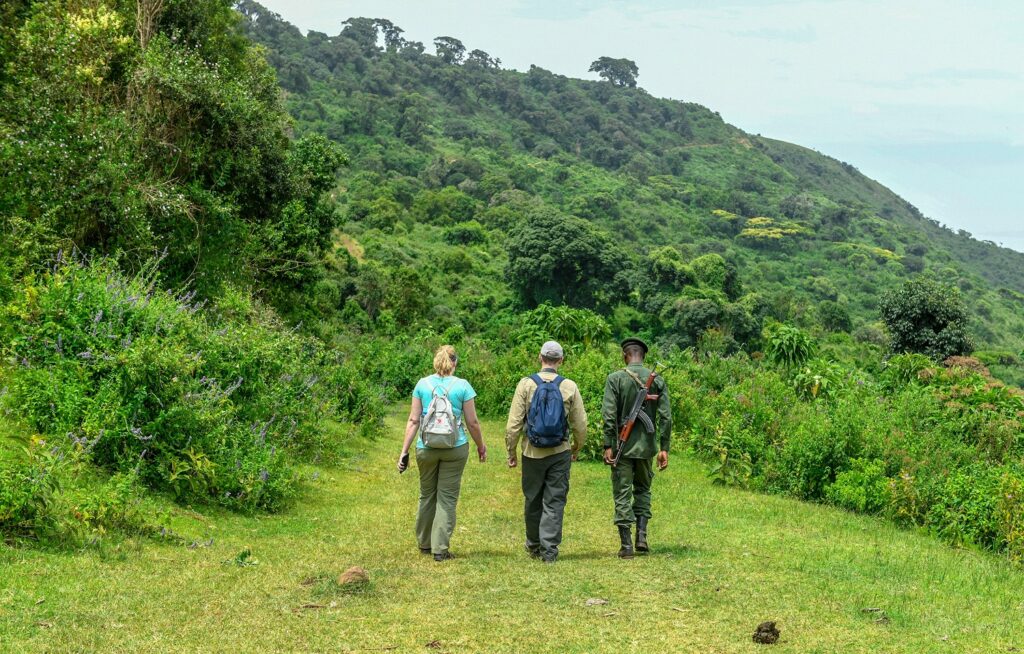
Walking Safari Tanzania: The Ultimate Wildlife Adventure Guide
A Walking Safari is one of the most authentic and exciting ways to experience Tanzania’s incredible wilderness. Unlike a traditional safari where wildlife is viewed mainly from a vehicle, a walking safari allows travelers to explore nature on foot, following animal tracks, discovering plants, learning survival skills, and experiencing the sounds and sights of the African bush at a closer level.
Tanzania is one of the world’s best destinations for a Walking Safari, offering diverse landscapes, abundant wildlife, and experienced professional guides who provide safe and educational adventures. From the open plains of Serengeti National Park to the forests of Arusha National Park and the wilderness areas surrounding Ngorongoro, walking safaris provide a deeper connection with nature.
A Walking Safari Tanzania experience is perfect for travelers seeking adventure, photography opportunities, cultural interaction, and a more personal understanding of Africa’s wildlife and ecosystems.
At Tanzania Crown Safaris, we organize carefully planned walking safari experiences led by knowledgeable local guides who share their expertise about wildlife behavior, plants, conservation, and the fascinating secrets of the African bush.
What Is a Walking Safari?
A Walking Safari is a guided wildlife experience where visitors explore natural areas on foot instead of viewing wildlife only from a safari vehicle.
During a walking safari, guests move through the wilderness accompanied by an experienced guide who explains the environment and helps identify:
- Animal footprints and tracks
- Wildlife movements
- Bird species
- Plants and trees
- Insects and smaller creatures
- Natural ecosystems
The experience focuses on understanding the smaller details of the environment that are often missed during a normal game drive.
A walking safari is not about covering large distances quickly. Instead, it is about slowing down, observing carefully, and appreciating the incredible details of Tanzania’s natural world.
Why Choose a Walking Safari in Tanzania?
Tanzania is one of the best destinations in Africa for a Walking Safari because of its diverse landscapes, excellent conservation areas, and experienced guides.
Unlike many destinations, Tanzania offers opportunities to walk through areas surrounded by:
- Savannah plains
- Woodlands
- Forests
- Mountains
- Rivers
- Wildlife habitats
A walking safari creates a completely different perspective compared to a traditional safari.
Reasons to choose a Walking Safari Tanzania experience include:
- Experience nature at ground level
- Learn about wildlife behavior
- Discover animal tracks and signs
- Enjoy peaceful moments away from crowds
- Improve photography skills
- Connect with local guides
- Experience the sounds of the African wilderness
- Gain a deeper understanding of conservation
Benefits of a Walking Safari
A Walking Safari offers many unique benefits that make it one of Tanzania’s most memorable wildlife experiences.
1. A More Authentic Wildlife Experience
Walking through the African bush allows you to experience nature in a more personal way.
Instead of simply driving between animal sightings, you become part of the environment and notice details such as:
- Fresh animal footprints
- Broken branches showing animal movement
- Bird calls
- Animal scents
- Insects and plants
These small discoveries create a deeper appreciation of the wilderness.
2. Learn From Expert Guides
One of the greatest advantages of a Walking Safari is learning directly from experienced guides.
Professional guides share knowledge about:
- Animal behavior
- Tracking techniques
- Medicinal plants
- Local ecosystems
- Conservation efforts
- Traditional bush knowledge
Their experience helps transform a simple walk into an educational adventure.
3. Experience the African Bush Differently
A vehicle safari allows you to see large wildlife from a distance, but walking provides a different sensory experience.
During a walking safari, you can enjoy:
- The sound of birds in the trees
- The smell of wild plants
- The feeling of walking through natural landscapes
- The excitement of discovering fresh animal tracks
Every step becomes part of the adventure.
Walking Safari vs Traditional Game Drive
Both walking safaris and vehicle safaris offer incredible wildlife experiences, but they provide different ways of exploring nature.
Traditional Game Drive
A game drive is ideal for:
- Covering large distances
- Seeing many animals quickly
- Searching for predators
- Exploring large national parks
Visitors can observe animals such as lions, elephants, giraffes, and buffalo from the comfort of a safari vehicle.
Walking Safari
A walking safari focuses on:
- Close connection with nature
- Learning about the ecosystem
- Discovering smaller wildlife
- Understanding animal behavior
- Experiencing the wilderness at a slower pace
A walking safari does not replace a game drive—it complements it by providing a deeper and more intimate safari experience.
Many travelers combine both activities for the ultimate Tanzania safari adventure.
Wildlife Encounters During a Walking Safari
One of the most exciting parts of a Walking Safari is discovering wildlife signs and observing animals in their natural environment.
Depending on the location, visitors may encounter:
- Elephants
- Giraffes
- Zebras
- Buffaloes
- Antelopes
- Monkeys
- Warthogs
- Birds of prey
- Colorful bird species
Guides carefully choose walking routes based on safety, conditions, and wildlife activity.
A walking safari is especially rewarding because it teaches you how to understand the environment rather than simply searching for animals.
The Importance of Animal Tracking
Animal tracking is one of the most fascinating skills learned during a Walking Safari.
Experienced guides can identify:
- Footprints
- Droppings
- Feeding signs
- Sleeping areas
- Movement patterns
- Animal behavior
For example:
- Elephant footprints reveal movement routes.
- Lion tracks show predator activity.
- Bird calls help identify hidden species.
- Broken vegetation reveals recent animal movements.
Tracking transforms the landscape into a storybook full of clues.
The Role of a Professional Walking Safari Guide
A professional guide is essential for a safe and meaningful Walking Safari Tanzania experience.
Guides provide:
- Safety awareness
- Wildlife knowledge
- Environmental interpretation
- Animal tracking skills
- Local cultural knowledge
- Conservation information
They understand animal behavior and know how to navigate different environments responsibly.
At Tanzania Crown Safaris, our guides are passionate about sharing Tanzania’s natural beauty while ensuring guests enjoy a safe and unforgettable adventure.
Safety During a Walking Safari
Safety is always the highest priority during a Walking Safari.
Professional walking safaris follow strict safety procedures, including:
- Walking with trained guides
- Maintaining safe distances from wildlife
- Following guide instructions
- Choosing suitable walking routes
- Understanding animal behavior
- Respecting the natural environment
Guests are always briefed before starting the activity, ensuring everyone understands how to behave in the wilderness.
A properly organized walking safari is a safe and rewarding experience for travelers who want a closer connection with nature.
Why Walking Safari Tanzania Should Be on Your Adventure List
A Walking Safari Tanzania offers something completely different from a standard wildlife tour. It allows travelers to slow down, explore carefully, and experience the African wilderness through all their senses.
From tracking animal footprints and learning about plants to walking through stunning landscapes with expert guides, every moment creates a deeper connection with Tanzania’s natural world.
Whether combined with a luxury safari, a Kilimanjaro adventure, or a Northern Circuit itinerary, a Walking Safari adds a unique and unforgettable element to your Tanzania journey.
At Tanzania Crown Safaris, we create personalized walking safari experiences designed to showcase the beauty, wildlife, and hidden stories of Tanzania’s wilderness.
Best Places for Walking Safari in Tanzania
Tanzania offers some of the most diverse and spectacular locations for a Walking Safari in Africa. From famous national parks to remote wilderness areas, each destination provides a unique opportunity to explore nature on foot while learning about wildlife, landscapes, and conservation.
Choosing the right location depends on your interests, travel plans, and the type of experience you want. Some areas offer incredible wildlife encounters, while others provide beautiful scenery, birdwatching, and cultural experiences.
Walking Safari in Serengeti National Park
A Walking Safari in Serengeti National Park offers one of the most unforgettable wildlife experiences in Tanzania.
The Serengeti is famous worldwide for the Great Migration, vast grasslands, and incredible populations of wildlife. While most visitors explore Serengeti by vehicle, walking allows you to discover a quieter and more intimate side of this legendary ecosystem.
During a Serengeti Walking Safari, you may experience:
- Fresh animal tracks across the plains
- Large herds of grazing animals
- Beautiful sunrise and sunset walks
- Birdwatching opportunities
- Learning about predator and prey relationships
- Exploring areas away from main safari routes
Walking in the Serengeti allows travelers to appreciate the smaller details of the ecosystem that are often missed during traditional game drives.
Walking Safari in Tarangire National Park
Known for its giant baobab trees and large elephant populations, Tarangire National Park is another excellent destination for a Walking Safari Tanzania experience.
The park’s diverse landscapes create the perfect environment for exploring nature on foot.
Highlights of a Tarangire Walking Safari include:
- Ancient baobab forests
- Elephant movement patterns
- Wildlife tracks
- Bird-rich habitats
- Seasonal rivers and landscapes
- Close observation of plants and insects
Tarangire is especially rewarding for travelers interested in photography and learning about the relationship between wildlife and the environment.
Walking Safari in Arusha National Park
Located near Arusha town, Arusha National Park is one of the most accessible places for a Walking Safari in Tanzania.
The park offers a unique combination of:
- Mountain scenery
- Forest landscapes
- Lakes
- Wildlife habitats
- Beautiful hiking routes
During a guided walk, visitors may encounter:
- Giraffes
- Zebras
- Buffaloes
- Warthogs
- Monkeys
- Antelope species
- Various bird species
The park’s peaceful atmosphere makes it ideal for travelers who want a short but rewarding walking experience before or after a safari.
Walking Safari in Ngorongoro Conservation Area
The Ngorongoro Conservation Area offers an incredible combination of wildlife, landscapes, and cultural experiences.
A Walking Safari in Ngorongoro allows visitors to explore areas beyond the famous crater while discovering the relationship between wildlife, local communities, and nature.
Possible experiences include:
- Walking near scenic highland areas
- Learning about Maasai traditions
- Exploring forests and viewpoints
- Discovering animal tracks
- Enjoying views of volcanic landscapes
The conservation area’s unique environment makes it one of the most fascinating places for a walking adventure.
Walking Safari in Nyerere National Park
Formerly known as Selous Game Reserve, Nyerere National Park is one of Tanzania’s largest wilderness areas and offers exceptional walking safari opportunities.
Its remote landscapes provide an authentic African bush experience.
Visitors can enjoy:
- Wild river environments
- Woodlands and savannah
- Elephant sightings
- Birdwatching
- Nature interpretation
- Peaceful wilderness walks
Nyerere is ideal for travelers looking for a less crowded safari experience with a strong focus on nature and exploration.
Best Time for a Walking Safari in Tanzania
A Walking Safari Tanzania experience can be enjoyed throughout the year, but certain seasons offer better conditions for walking and wildlife viewing.
Dry Season (June to October)
The dry season is considered one of the best times for walking safaris.
Advantages include:
- Comfortable temperatures
- Less vegetation blocking views
- Easier animal tracking
- More wildlife gathering around water sources
- Lower chance of rain
This period is also popular for combining walking safaris with classic Tanzania safari adventures.
Short Dry Season (January to February)
January and February offer another excellent period for a Walking Safari.
Visitors can enjoy:
- Warm weather
- Green landscapes
- Young animals in many areas
- Excellent photography opportunities
- Good walking conditions
Green Season (November to May)
The rainy season creates beautiful scenery and fresh vegetation.
Benefits include:
- Lush green landscapes
- Fewer visitors
- Excellent birdwatching
- Beautiful photography conditions
Although occasional rain may occur, many travelers enjoy the peaceful atmosphere during this season.
What to Expect During a Walking Safari
A Walking Safari is designed to provide a deeper connection with nature. Unlike a regular game drive, the experience focuses on exploration, learning, and observation.
A typical walking safari may include:
Pre-Walk Safety Briefing
Before starting, your guide explains:
- Walking procedures
- Safety rules
- Wildlife behavior
- What to expect during the walk
Nature Exploration
During the walk, your guide will help you discover:
- Animal footprints
- Plants and trees
- Bird species
- Insects
- Wildlife signs
Wildlife Observation
Although the focus is not on chasing animals, you may have exciting encounters with wildlife from a safe distance.
Learning Bush Skills
Many walking safaris teach valuable skills, including:
- Animal tracking
- Identifying plants
- Understanding ecosystems
- Reading signs of wildlife activity
Activities Included in a Walking Safari
A Walking Safari Tanzania can include many activities beyond simply walking.
Animal Tracking
Learning how guides identify animal movements is one of the most exciting parts of the experience.
Birdwatching
Tanzania is home to hundreds of bird species, making walking safaris excellent for bird lovers.
You may observe:
- Eagles
- Hornbills
- Kingfishers
- Weavers
- Sunbirds
Bush Photography
Walking allows photographers to capture:
- Landscapes
- Plants
- Birds
- Wildlife details
- Natural textures
Conservation Learning
Guides often explain:
- Wildlife protection
- Ecosystem balance
- Anti-poaching efforts
- Community conservation projects
This creates a deeper understanding of Tanzania’s natural heritage.
Why a Walking Safari Is a Unique Tanzania Experience
A Walking Safari provides a slower, more meaningful way to explore Tanzania’s wilderness.
Instead of simply searching for animals, travelers learn how the entire ecosystem works—from tiny insects and plants to large mammals and landscapes.
Whether exploring Serengeti plains, Tarangire woodlands, Arusha forests, or Nyerere’s wilderness, a walking safari creates memories that last a lifetime.
At Tanzania Crown Safaris, we combine expert guides, carefully selected locations, and personalized service to create safe and unforgettable walking safari adventures.
Sample Walking Safari Itinerary in Tanzania
A Walking Safari can be organized as a short activity during a safari or as part of a longer wilderness adventure. The itinerary can be customized depending on your destination, interests, and available time.
Below is an example of a one-day Walking Safari Tanzania experience.
Morning: Hotel or Camp Pickup
Your adventure begins with pickup from your lodge or safari camp.
After meeting your professional guide, you will receive a safety briefing covering:
- Walking rules
- Wildlife behavior
- Safety procedures
- What to expect during the experience
Your guide will explain how to observe nature responsibly while enjoying the wilderness.
Guided Nature Walk
The walking adventure begins through the beautiful landscapes of Tanzania.
During the walk, your guide will help you discover:
- Animal footprints
- Wildlife tracks
- Native plants
- Bird species
- Insects
- Signs of animal activity
You will learn how every part of the environment plays an important role in the ecosystem.
Wildlife Tracking Experience
One of the most exciting parts of a Walking Safari is learning how to read the bush.
Your guide may demonstrate how to identify:
- Fresh animal footprints
- Feeding areas
- Resting places
- Movement patterns
- Signs left by different species
This unique skill allows travelers to understand wildlife behavior from a completely different perspective.
Picnic Lunch in Nature
After the morning walk, enjoy a relaxing picnic lunch surrounded by Tanzania’s beautiful wilderness.
Depending on the location, you may enjoy:
- Fresh local meals
- Scenic views
- Peaceful surroundings
- Time to relax and appreciate nature
Afternoon Nature Exploration
Continue exploring the area while learning more about:
- Conservation efforts
- Local ecosystems
- Traditional bush knowledge
- Wildlife protection
The experience ends with unforgettable memories of walking through one of Africa’s most incredible natural environments.
What to Pack for a Walking Safari
Preparing properly will make your Walking Safari Tanzania experience more comfortable and enjoyable.
Recommended items include:
Comfortable Walking Shoes
Choose lightweight, comfortable hiking shoes or boots with good support.
Neutral-Colored Clothing
Wear colors that blend with the environment, such as:
- Khaki
- Brown
- Green
- Beige
Avoid very bright colors that may distract wildlife.
Sun Protection
Bring:
- Sunscreen
- Sunglasses
- Hat or cap
- Lightweight long-sleeved shirt
Water Bottle
Staying hydrated is important, especially when walking in warm conditions.
Camera and Binoculars
A camera helps capture:
- Landscapes
- Birds
- Plants
- Wildlife moments
Binoculars are also useful for observing animals and birds from a distance.
Small Backpack
A comfortable daypack is useful for carrying:
- Water
- Camera
- Personal items
- Snacks
- Rain jacket
Who Can Join a Walking Safari?
A Walking Safari is suitable for many travelers, including:
- Adventure travelers
- Nature lovers
- Photographers
- Families with older children
- Couples
- Solo travelers
- Safari enthusiasts
However, participants should have a reasonable level of fitness because walking may involve uneven terrain and several hours outdoors.
Walking Safari for Families
Families can enjoy a Walking Safari Tanzania experience when the route and pace are chosen appropriately.
Children can learn about:
- Animals
- Plants
- Conservation
- Nature
It is an excellent educational experience that creates unforgettable family memories.
Walking Safari for Photographers
Photography enthusiasts often find walking safaris especially rewarding.
Unlike vehicle-based safaris, walking allows photographers to capture:
- Small wildlife details
- Bird species
- Plants
- Landscapes
- Unique perspectives
The slower pace provides more opportunities to observe and photograph nature.
Frequently Asked Questions About Walking Safari
Is a Walking Safari safe?
Yes. A professionally guided Walking Safari is safe when conducted with trained guides who understand wildlife behavior and wilderness safety.
Guides select appropriate routes and maintain safe distances from animals.
Can I see dangerous animals during a Walking Safari?
Yes, wildlife encounters are possible. However, guides are trained to read animal behavior and choose safe routes.
The goal is responsible observation, not approaching animals.
How long does a Walking Safari last?
The duration depends on the package.
Options may include:
- Short 1–2 hour walks
- Half-day walking experiences
- Full-day adventures
- Multi-day wilderness walking safaris
What animals can I see during a Walking Safari?
Possible sightings include:
- Elephants
- Giraffes
- Zebras
- Buffaloes
- Antelopes
- Monkeys
- Birds
- Smaller wildlife species
The experience focuses on understanding the entire ecosystem rather than only searching for large animals.
Can I combine a Walking Safari with a normal safari?
Yes. Many travelers combine a Walking Safari with traditional game drives.
A combination package provides the best of both worlds:
- Vehicle safari for major wildlife sightings
- Walking safari for deeper nature exploration
What is the best place for a Walking Safari in Tanzania?
Some of the best destinations include:
- Serengeti National Park
- Tarangire National Park
- Arusha National Park
- Ngorongoro Conservation Area
- Nyerere National Park
Each destination offers a unique experience.
Why Choose Tanzania Crown Safaris for Walking Safari?
At Tanzania Crown Safaris, we specialize in creating authentic and unforgettable wildlife experiences across Tanzania.
Our Walking Safari Tanzania experiences are designed around safety, comfort, and meaningful connections with nature.
When you choose us, you benefit from:
- Experienced local safari guides
- Professional wildlife knowledge
- Carefully selected walking locations
- Personalized itineraries
- Comfortable transportation
- Private and group options
- Excellent customer service
We believe a safari should be more than seeing animals—it should be about understanding nature, culture, and conservation.
Why Add a Walking Safari to Your Tanzania Holiday?
A Walking Safari adds a completely different dimension to your Tanzania adventure.
While traditional safaris allow you to see incredible wildlife from a vehicle, walking lets you experience the wilderness through your senses.
You can hear birds calling, discover animal tracks, learn about plants, and understand how the ecosystem works.
It is an authentic African adventure that creates deeper memories.
Conclusion
A Walking Safari Tanzania is one of the most unique ways to experience Africa’s wilderness. It offers travelers the chance to slow down, explore nature closely, and discover the hidden details of Tanzania’s incredible ecosystems.
From tracking wildlife in Serengeti to exploring forests in Arusha National Park and walking through the wilderness of Nyerere National Park, every experience offers something special.
Whether you are an adventure seeker, photographer, family traveler, or nature enthusiast, a Walking Safari provides an unforgettable connection with Tanzania’s wild landscapes.
Book Your Walking Safari Adventure with Tanzania Crown Safaris
Ready to experience Tanzania beyond the traditional game drive?
Tanzania Crown Safaris offers professionally guided Walking Safari Tanzania experiences designed for travelers seeking adventure, discovery, and authentic wildlife encounters.
Contact Tanzania Crown Safaris today and let our expert team create your perfect walking safari adventure in Tanzania.